
The Big Picture of the Book of Mormon
Part 9 - Ether’s 24 Jaredite Plates of Gold
Can we follow the trail of Ether’s 24 gold plates?
Twenty-four plates of gold.
They were written by the prophet Ether during the final destruction of the Jaredite civilization.
Centuries later, a Nephite search party accidentally discovered those plates.
But here's the remarkable part:
Ether tells us that he hid the record in a way that the people of Limhi would find it.
And Limhi's people actually did.
So in this video, we're going to follow that trail.
Ether to the Jaredite destruction.
The Jaredite destruction to Hill Ramah.
Hill Ramah to the land of many waters.
And finally, the 24 gold plates back to the Nephites.
And then we'll put all of those descriptions on our modern map.
Before we follow that trail, let me briefly explain something important for those who may not be familiar with the Book of Mormon.
Mormon was the prophet who compiled the approximate 1,000 year history of the Nephite people onto gold plates.
Before Mormon died, he gave those plates to his son, Moroni, and told him to finish the record.
Yes, this is the same Moroni that Latter-day Saints believe later visited Joseph Smith and delivered the gold plates from which the Book of Mormon was translated.
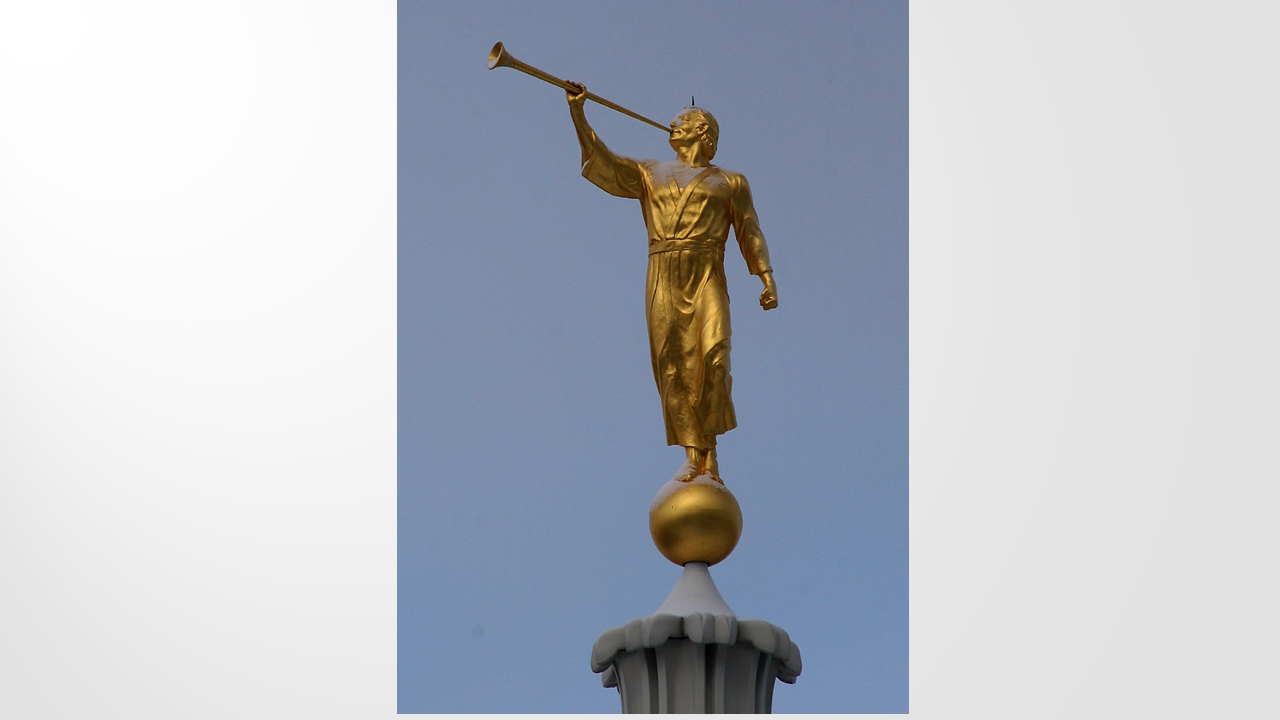
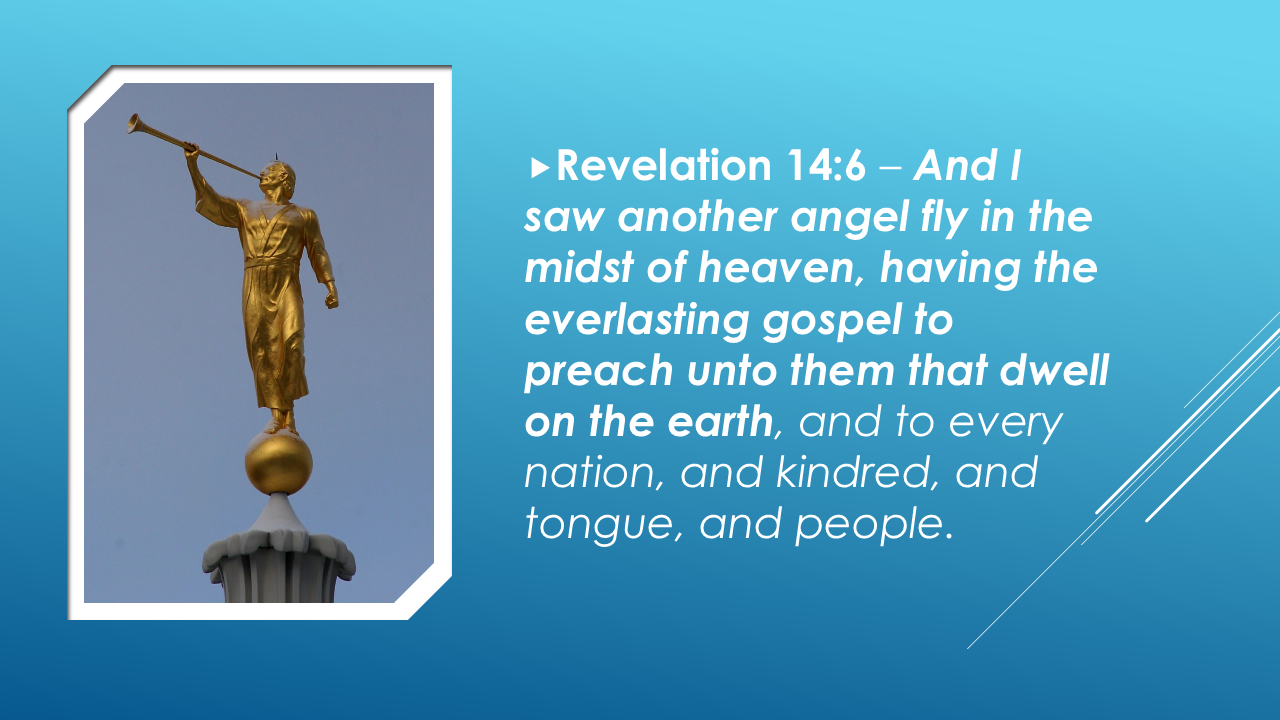
It is also the same Moroni represented by the angelic figure that stands atop the spires of many Latter-day Saint temples.
Latter-day Saints believe this is the angel described by John the Revelator:
Now, back to Limhi's discovery.
King Limhi and his people were living in the city of Nephi and were enslaved by the Lamanites.
Around 121 BC, a group of Nephites from Zarahemla, led by Ammon, found Limhi and his people.
And Limhi told Ammon about a remarkable expedition he had sent into the wilderness.
His story is recorded in Mosiah chapter 8, verses 7 through 11.
Let's investigate.
THE DISCOVERY
Back in Part 7, we followed Zeniff's and Limhi's travels.
Limhi and his people were living in the Land of Nephi and were in bondage to the Lamanites.
Around 121 BC, Limhi sent a search party into the wilderness.
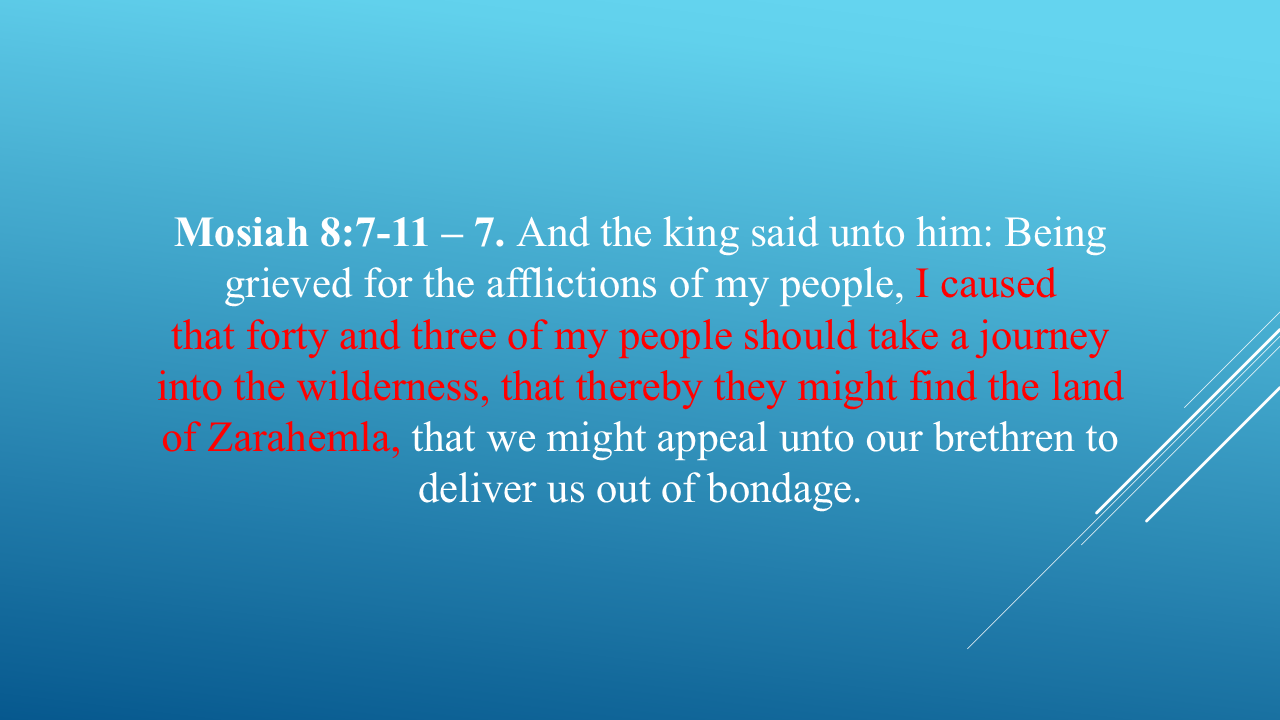
Their mission was simple:
Find the Land of Zarahemla and bring back help.
But they got lost.
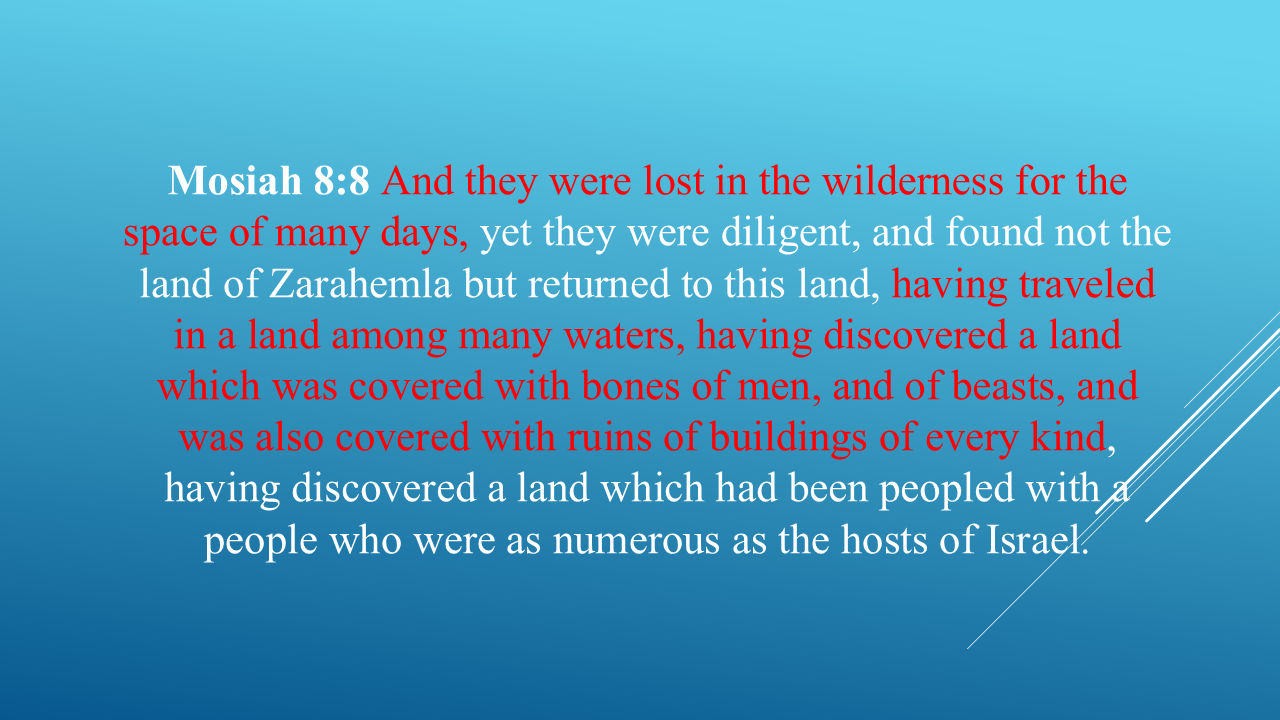
Mosiah 8 tells us that the 43 men traveled for many days and never found Zarahemla.
Instead, they entered a land described as:
"a land among many waters."
And there they discovered something completely unexpected.
They found the bones of men and beasts.
They found ruins of buildings.
And they found evidence of a civilization that had once been extremely numerous.
Then they brought something back with them.
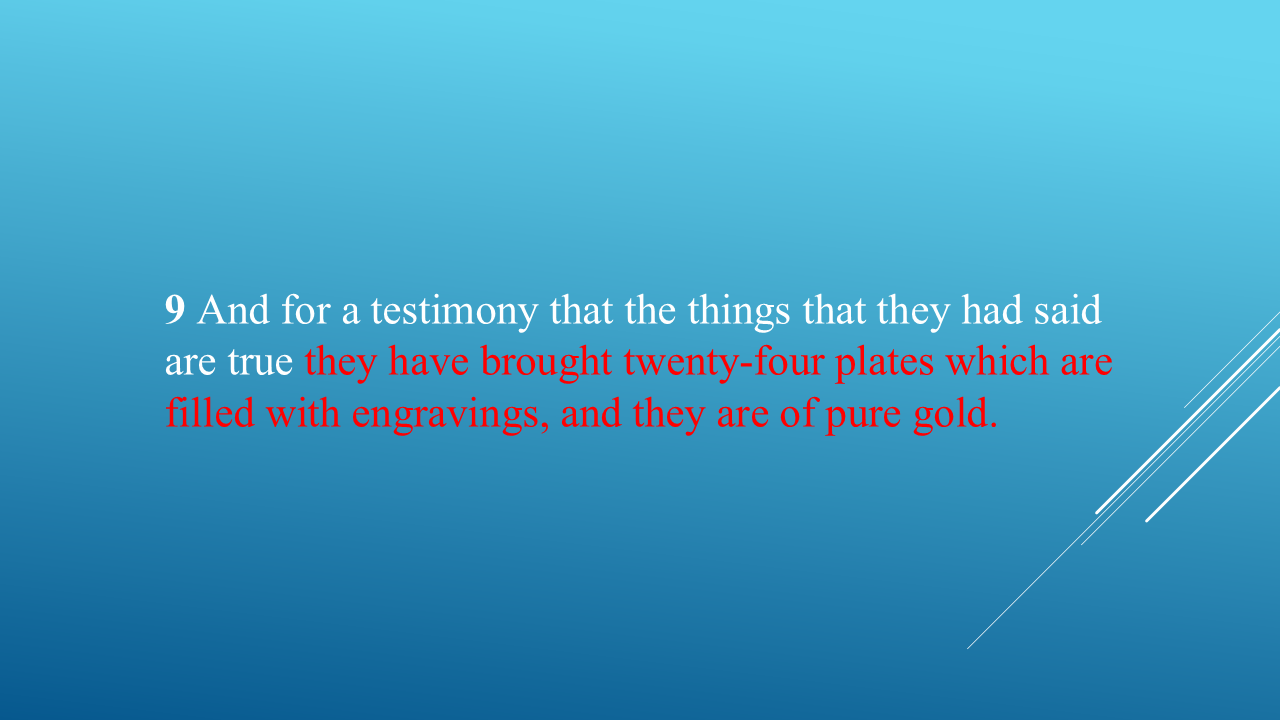
Twenty-four plates of pure gold.
These were not Mormon's plates.
They were not the plates that Moroni later delivered to Joseph Smith.
They were a much older record.
They were the record of the Jaredites.
SO WHERE DID THESE PLATES COME FROM?
To answer that question, we have to go back more than a thousand years.
The Jaredite civilization had occupied the land northward.
And Mormon gives us an important geographical description in Alma 22.
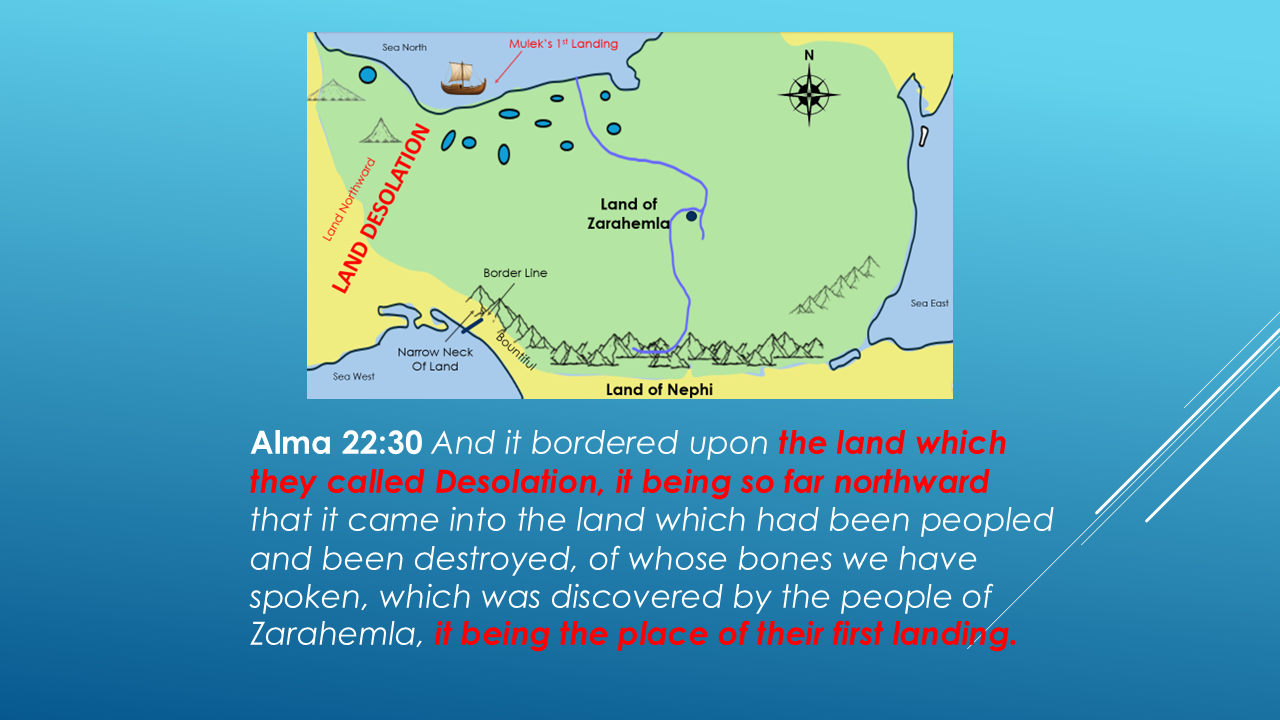
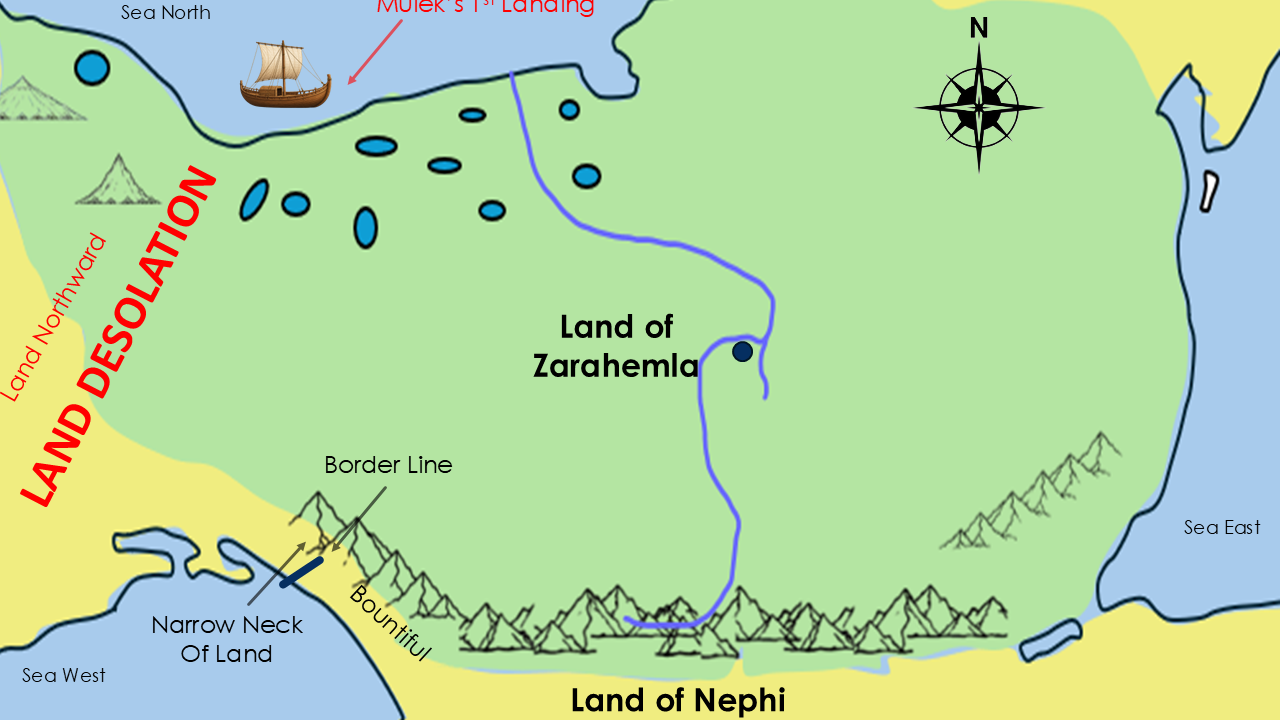
The Land of Bountiful bordered the Land of Desolation.
Desolation extended northward into a land that had been populated and then destroyed.
And this was the land where the people of Zarahemla had discovered the bones of the destroyed civilization.
Now notice something.
The Book of Mormon doesn't just tell us that this destroyed civilization was somewhere "north."
It gives us boundaries.
The land of Desolation was north of Bountiful.
And the Bountiful/Desolation line extended from the east sea to the west sea.
That gives us another piece of the geographical puzzle.
THE FINAL DAYS OF THE JAREDITES
Now let's go to the end of the Jaredite civilization.
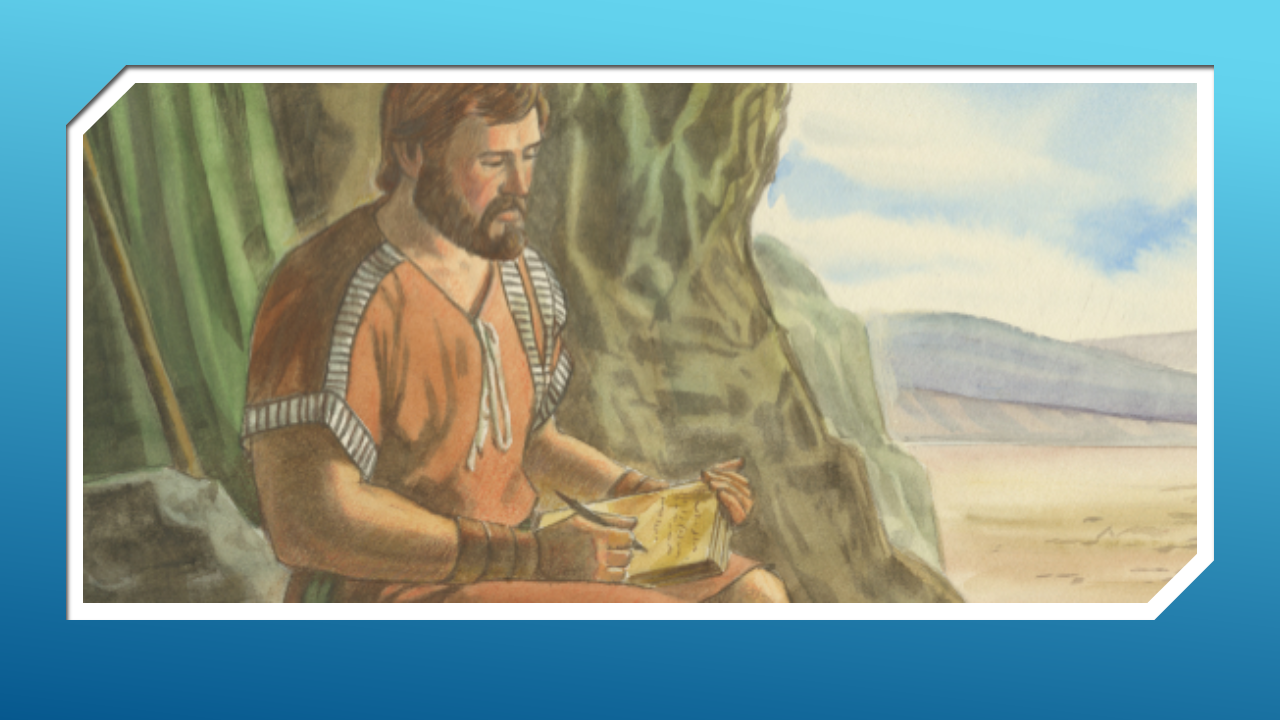
The prophet Ether was watching the destruction of his people.
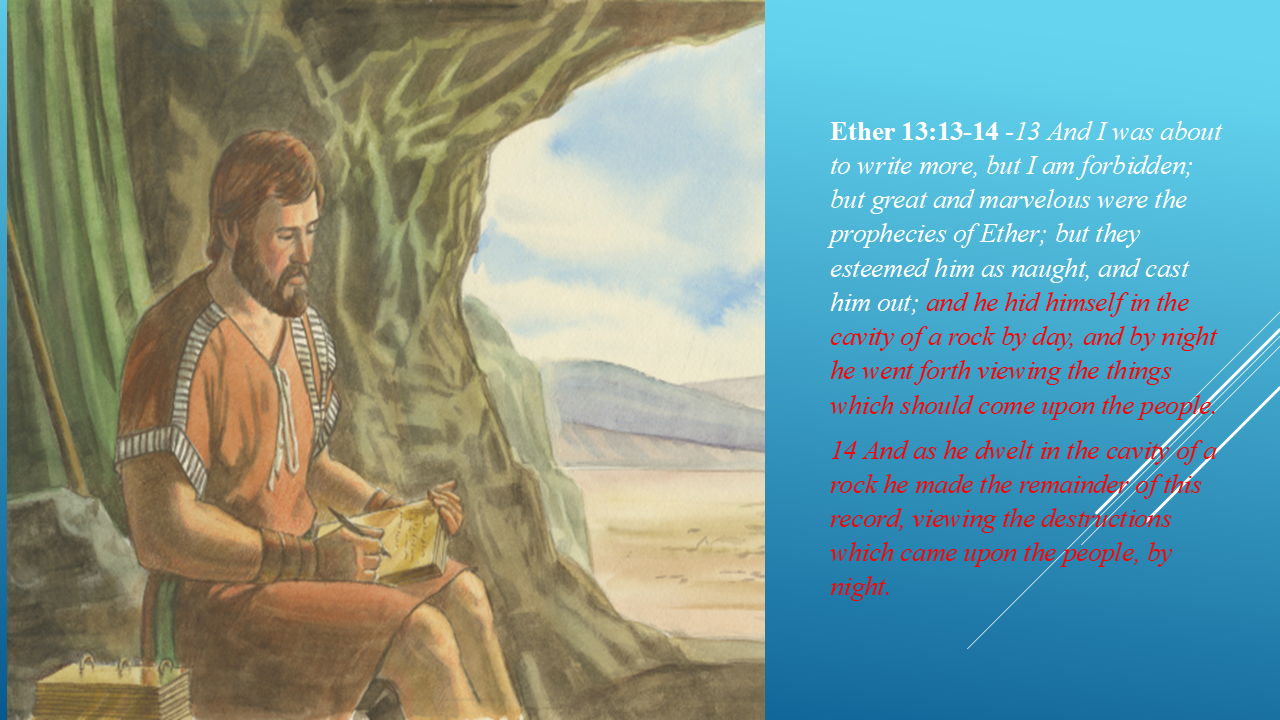
Moroni tells us that Ether hid himself in the cavity of a rock during the day and went out at night to observe what was happening.
And where was the final battle?
At Hill Ramah.
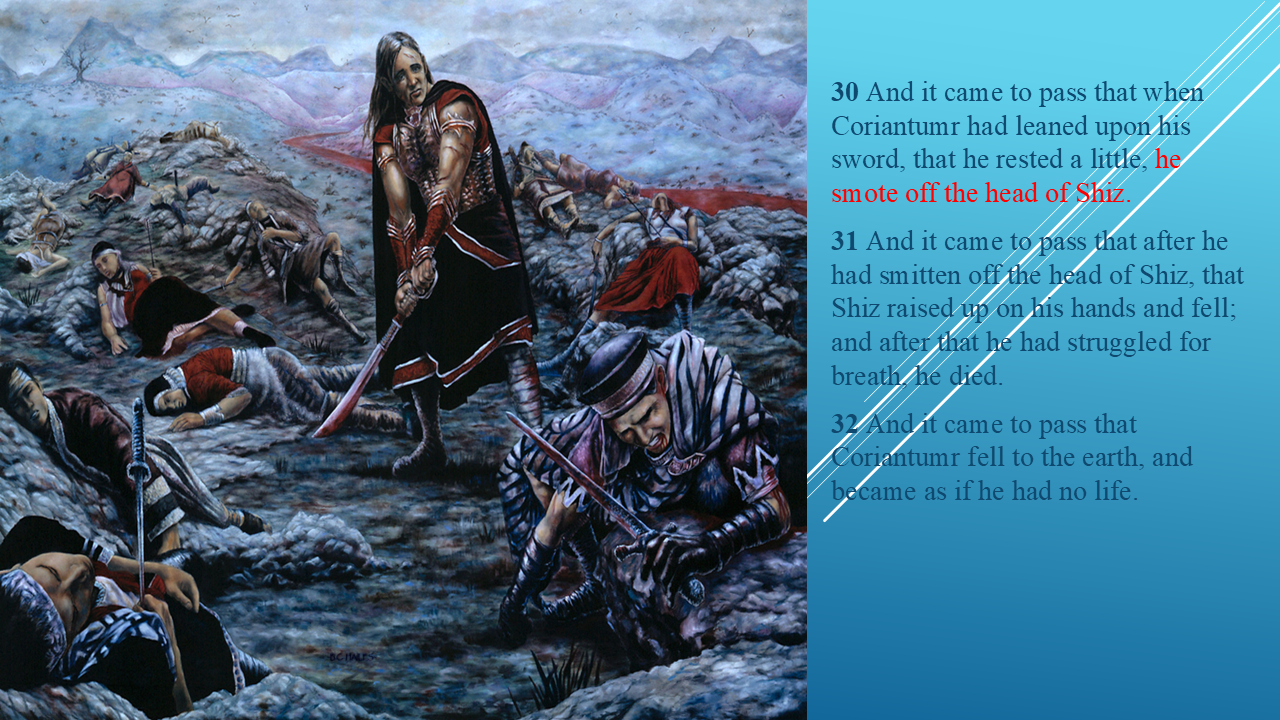
This is where Coriantumr and Shiz fought their final battle.
The armies had been fighting for years.
Finally, almost everyone was dead.
The Jaredite civilization was finished.
BUT WHAT HAPPENED TO ETHER?
This is where the story gets fascinating.
Ether survived.
And Ether 15:33 gives us a very unusual statement.
After finishing his record, Ether:
He hid them in a manner that the people of Limhi did find it.
Think about that.
Ether wasn't simply hiding his record and hoping someone might discover it.
The text specifically says that he hid them in a manner that the people of Limhi would find them.
That creates a question:
Where did Ether hide the plates?
The Book of Mormon doesn't give us a street address.
But it does give us geographical clues.
And those clues can be tested against the geography we've been building throughout this series.
CORIANTUMR AND ZARAHEMLA
There is another remarkable piece of evidence. [
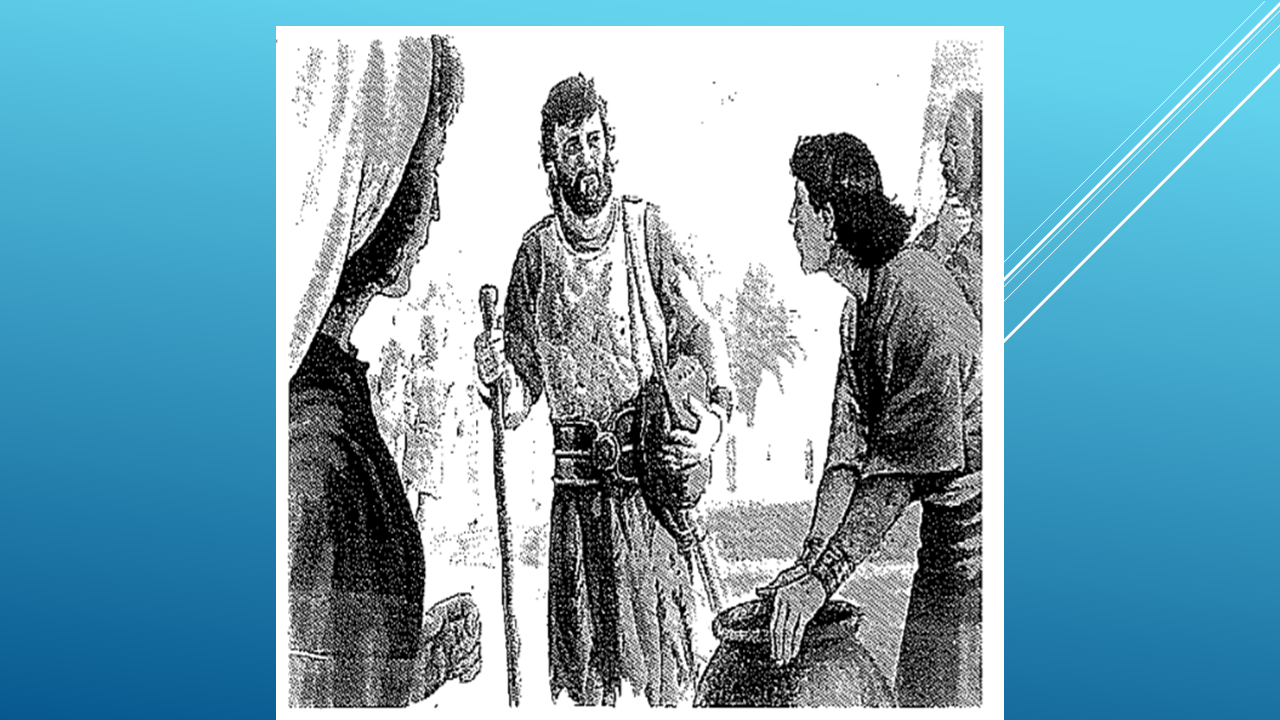
Coriantumr survived the final battle.
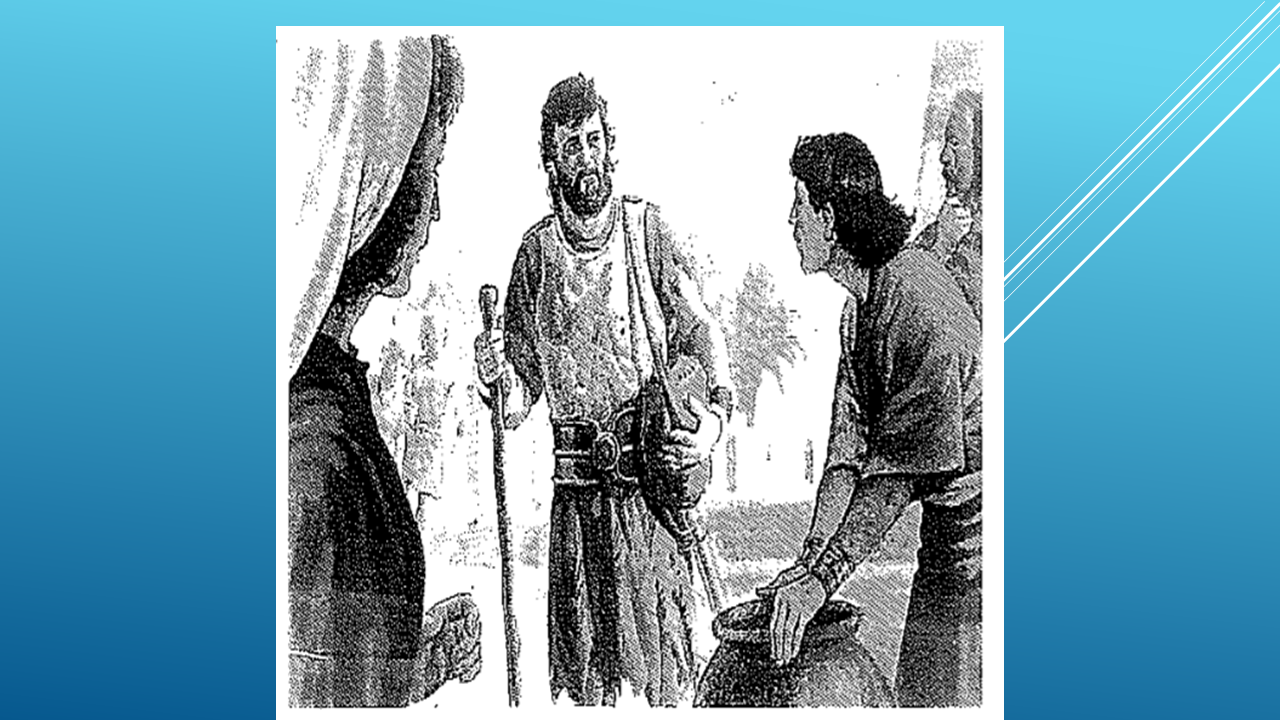
He eventually wandered into the land occupied by the people of Zarahemla.
Omni tells us that the people of Zarahemla discovered him and that he lived among them for nine moons.
So now we have two separate survivors from the final Jaredite destruction:
Ether, who hid the record.
And Coriantumr, who wandered into Zarahemla.
Now, notice how this fits the geography.
The final Jaredite destruction occurred in the northward land.
Coriantumr eventually ended up with the people of Zarahemla.
And Ether's record was hidden somewhere that would eventually be discovered by Limhi's people.
The question becomes:
How far apart were these places?
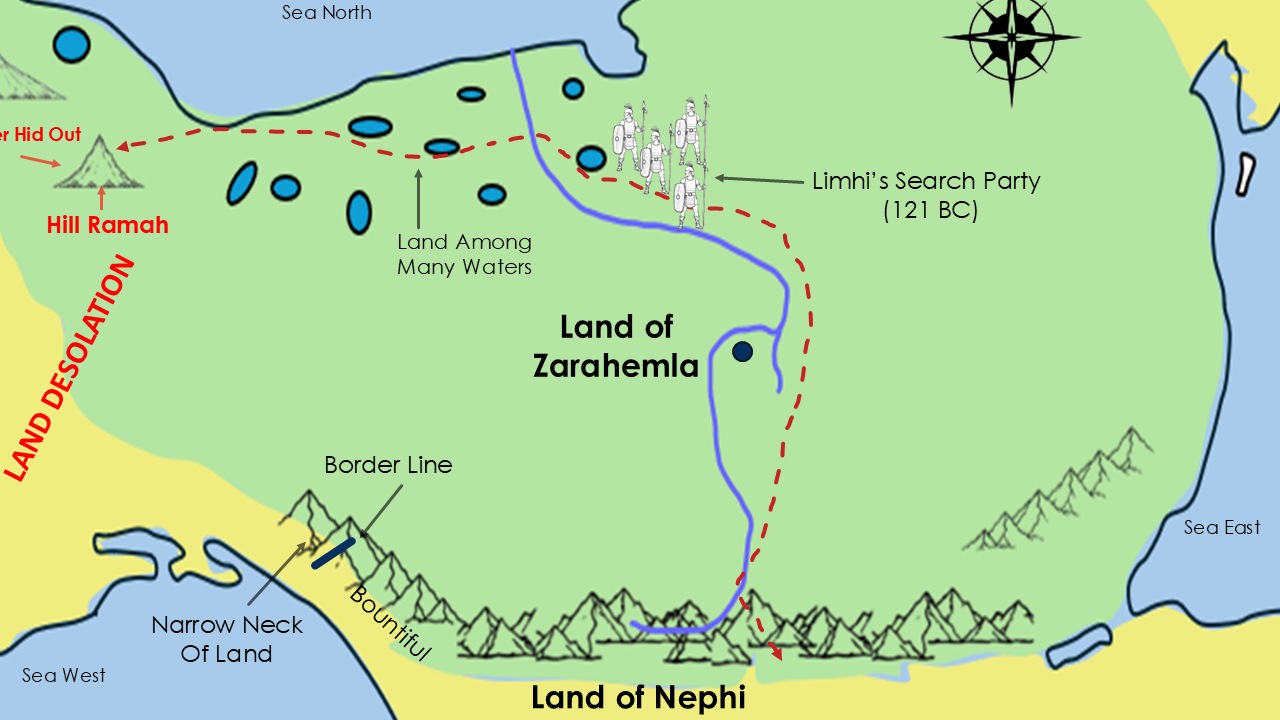
LET'S FOLLOW LIMHI'S 43 MEN
Now let's return to our map.
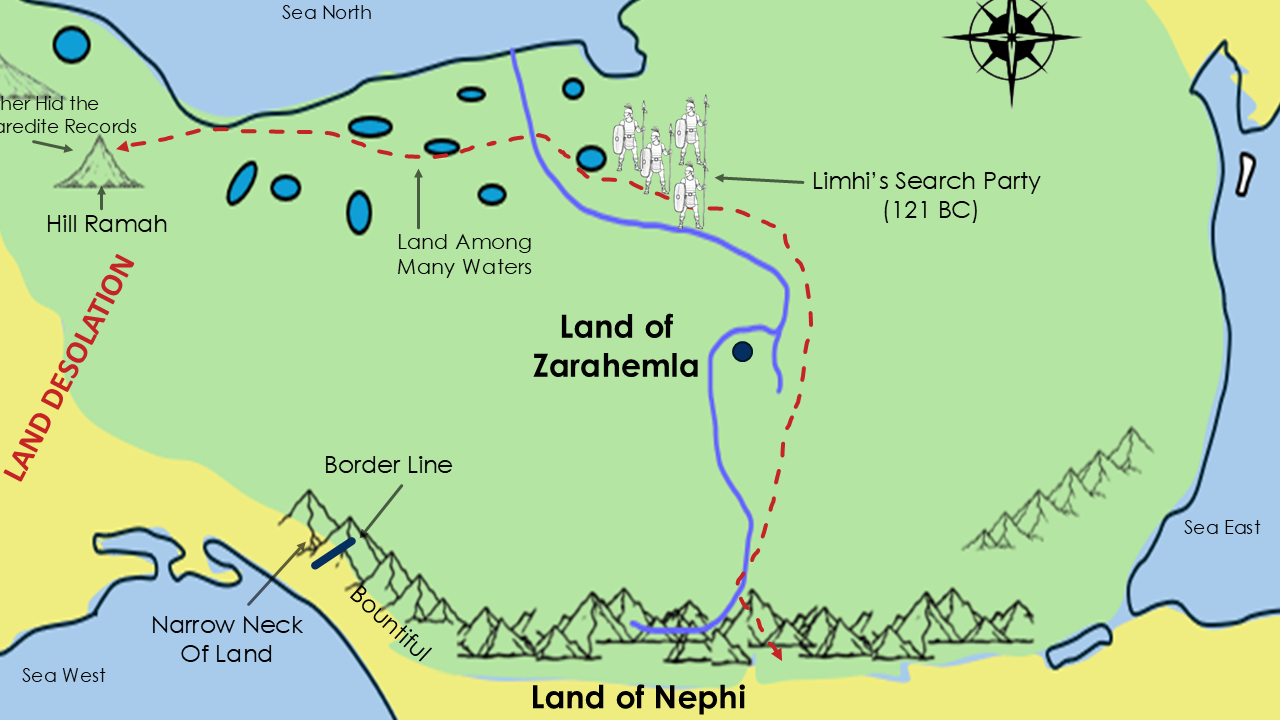
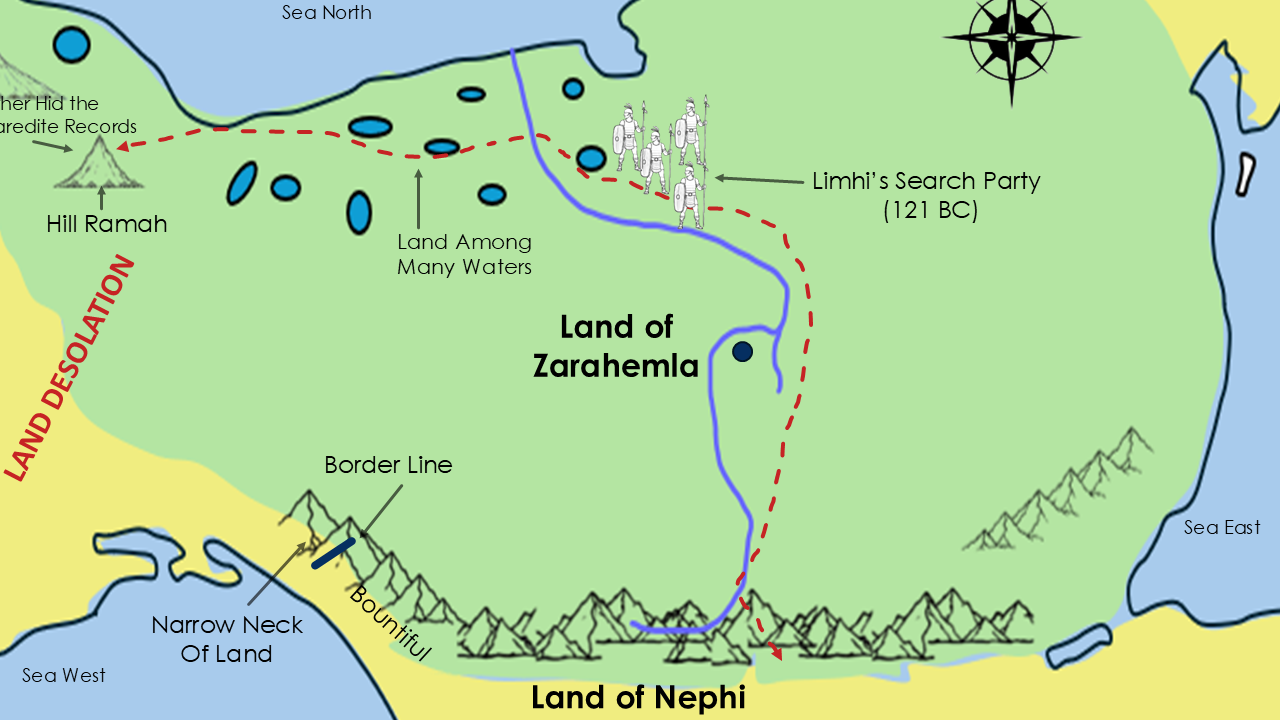
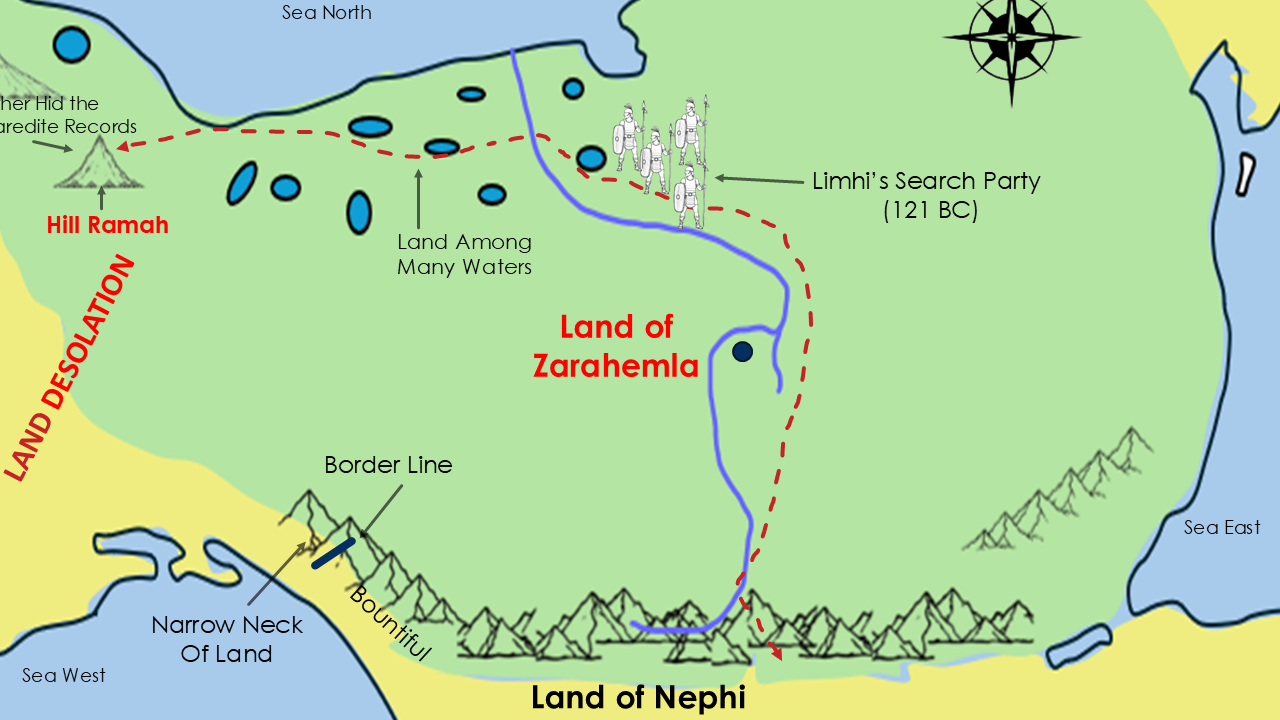
Limhi's 43-man search party left the Land of Nephi.
They were trying to find Zarahemla.
But they became lost.
They somehow passed through the territory without finding the city of Zarahemla.
And eventually they traveled into a land among many waters.
[TRACE THE RED DASHED ROUTE]
This is where the geography becomes especially interesting.
They didn't simply find an abandoned city.
They found an entire destroyed civilization.
Bones.
Ruins.
Buildings.
And eventually...
twenty-four plates of gold.
WHAT IF THEY FOUND THEM NEAR HILL RAMAH?
Now let's ask the question.
If Ether had hidden his record somewhere near the location of the final Jaredite destruction, where would we expect the Limhi expedition to find it?
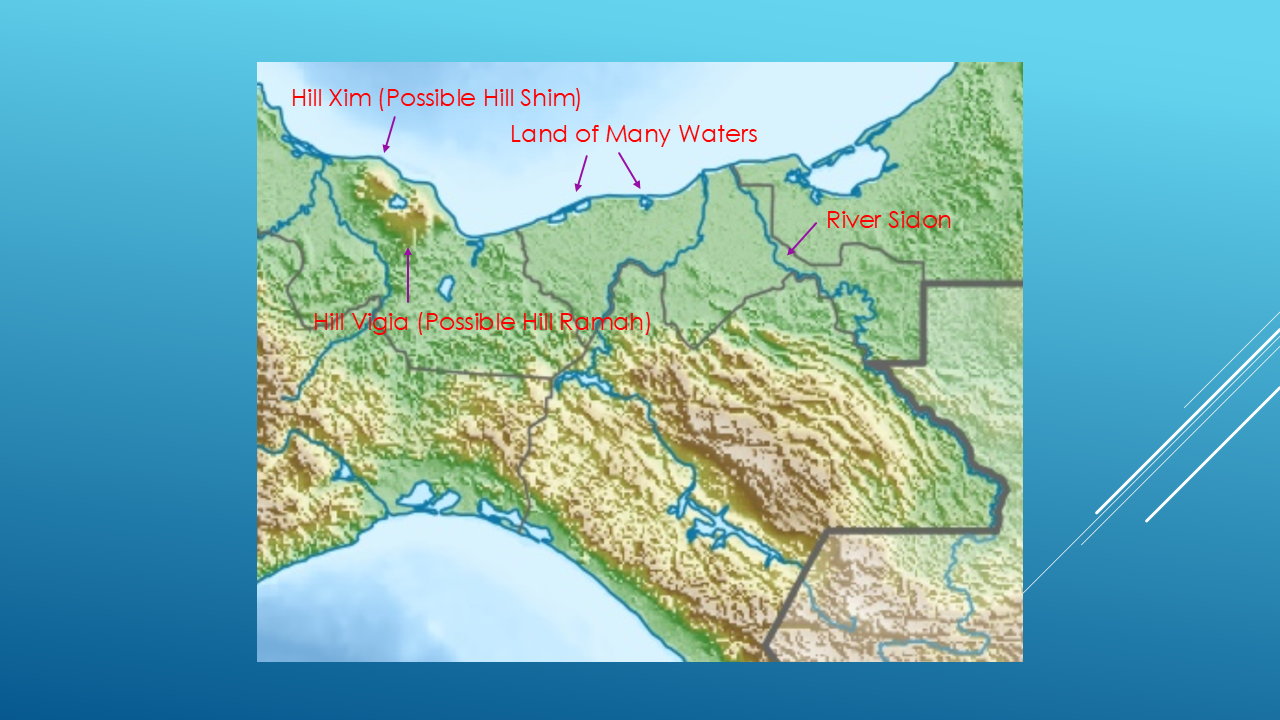
In our proposed geography, this is the region of the modern Hill Vigía.
This is a possible location for the Book of Mormon Hill Ramah — the hill associated with the final Jaredite battle.
And notice something else.
This region contains an unusual concentration of water features.
That gives us a possible match to Mormon's description:
"a land among many waters."
Just north of this proposed Hill Ramah is another significant geographic feature — the modern Hill Xim, which we have previously compared with the Book of Mormon Hill Shim.
So the question isn't simply:
"Can we put a hill on a map?"
The question is:
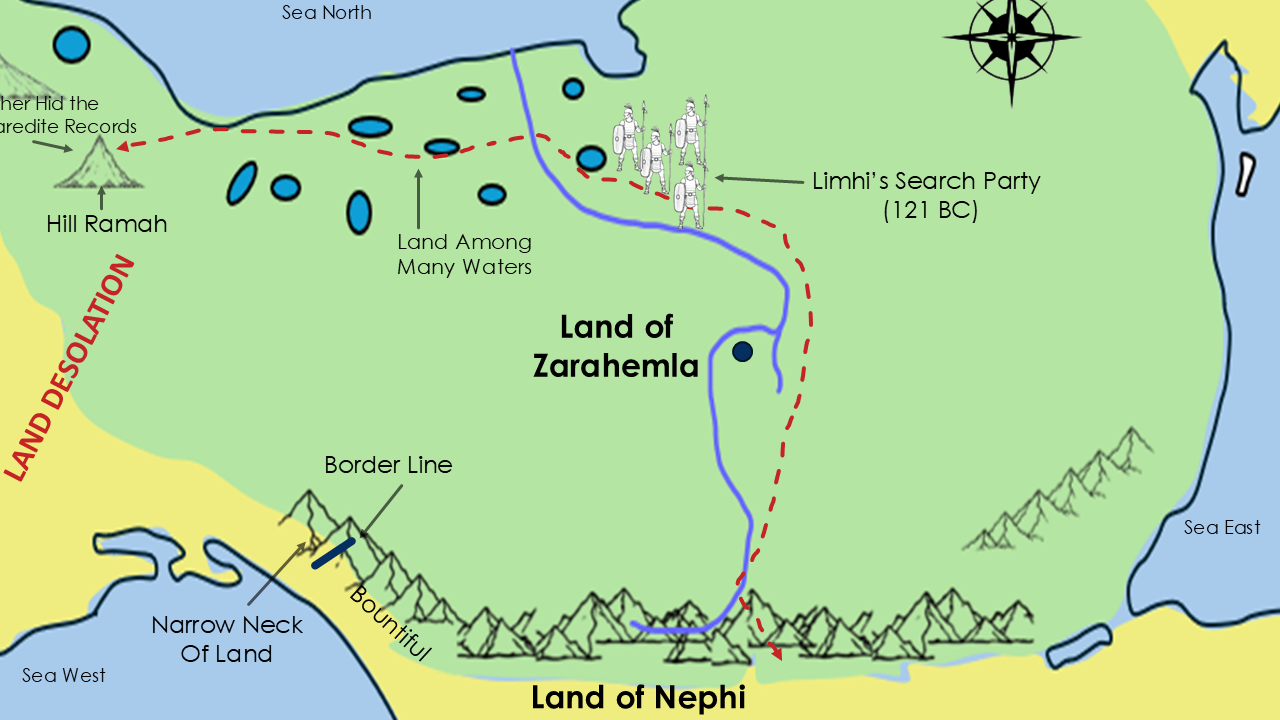
Hill Ramah.
Hill Shim.
The land of Desolation.
The land among many waters.
The River Sidon.
The Bountiful/Desolation boundary.
And the route taken by Limhi's search party.
THEN SOMETHING EXTRAORDINARY HAPPENS
The search party returns to the Land of Nephi.
And they don't come back empty-handed.
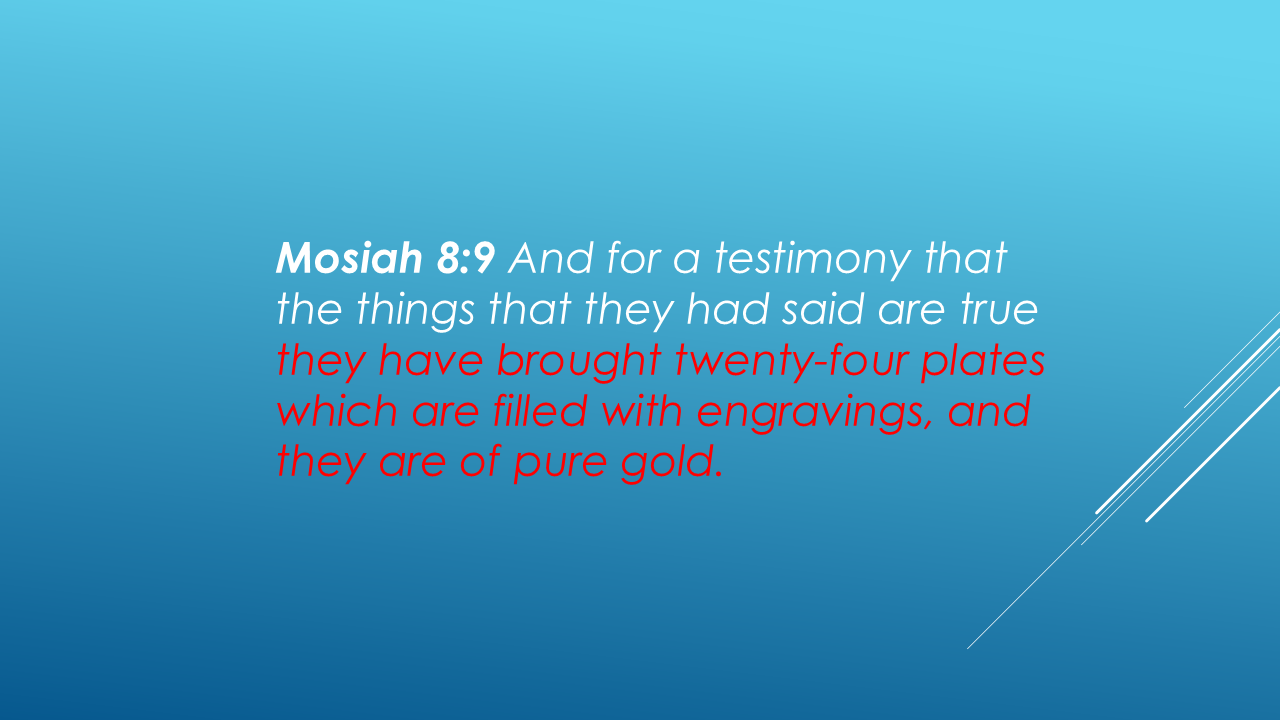
Now this set of 24 gold plates are not the gold plates that Mormon wrote on and Moroni gave to Joseph Smith.
These are different sets of plates.
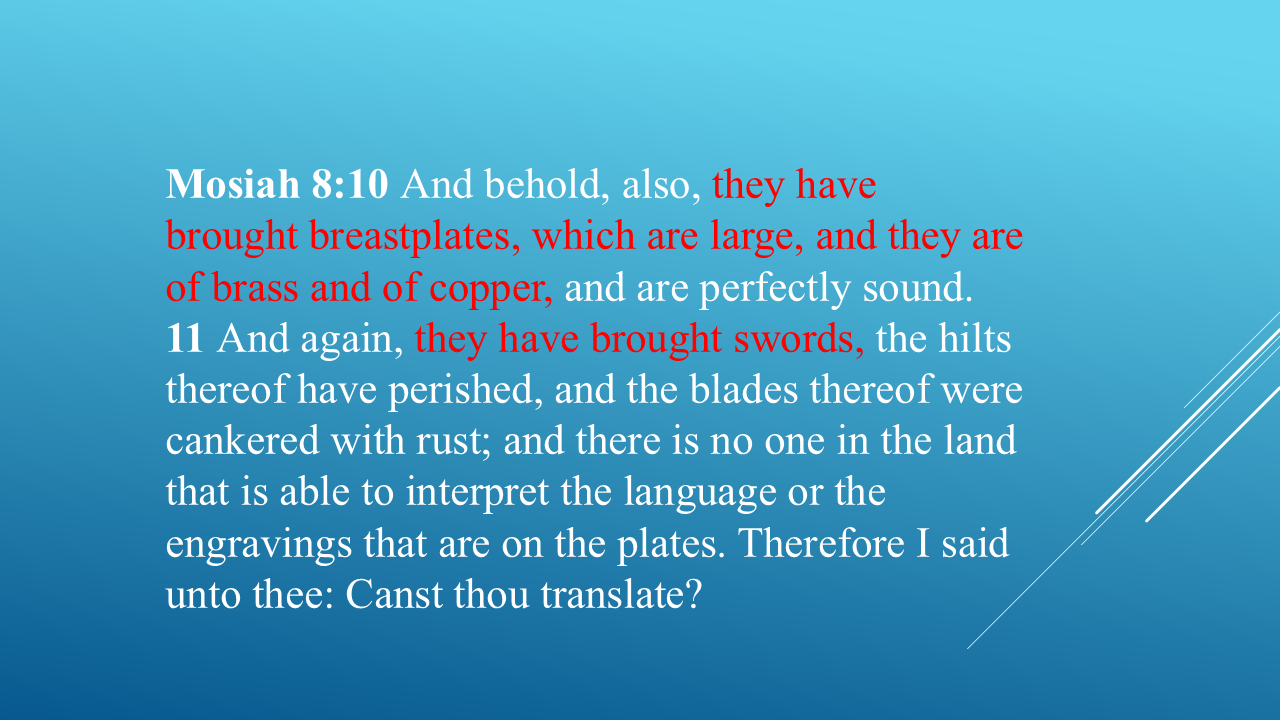
But they cannot read the language.
So Limhi asks Ammon:
Can you translate them?
Eventually, King Mosiah is able to translate the record.
And that record becomes the source of Moroni's abridgment of the Jaredite history — the Book of Ether.
So look at the chain:
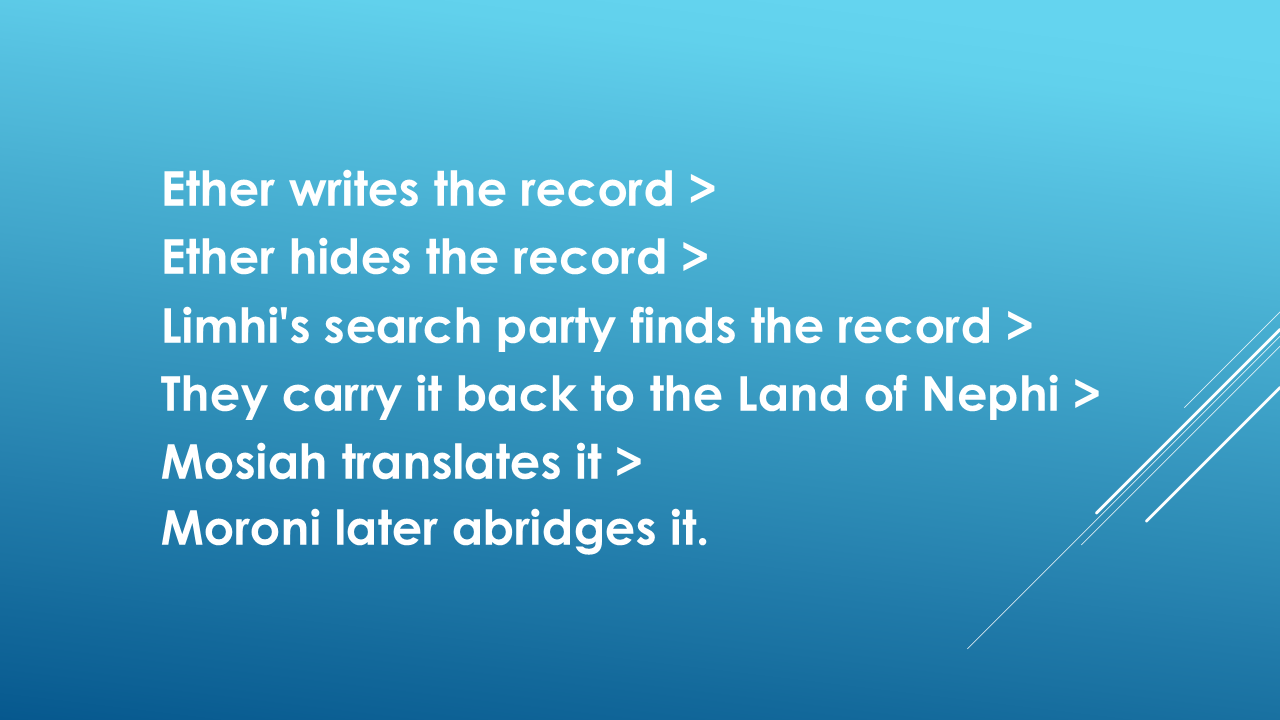
And today, we can read it.
The record itself tells us that Ether hid it in a manner that the people of Limhi would find it.
And the Book of Mormon then tells us that Limhi's people actually found twenty-four gold plates.
That is an extraordinary connection.
NOW LOOK AT THE MAP
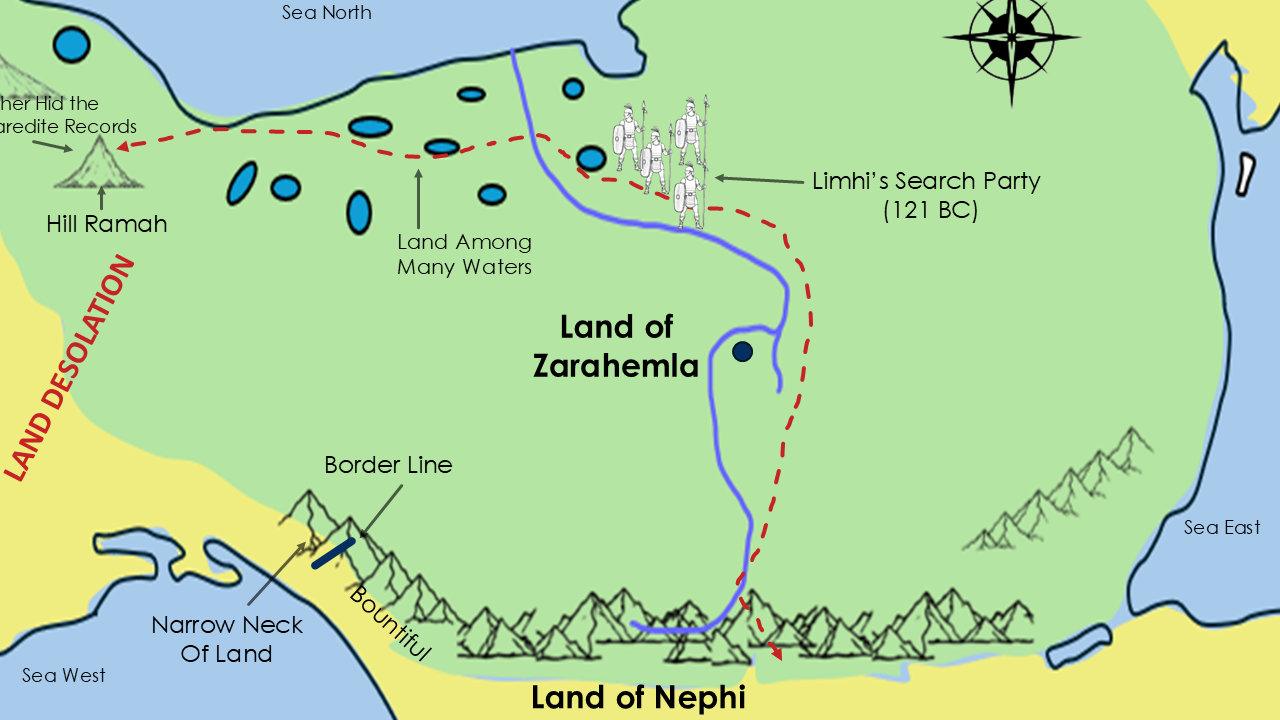
Here is the geography we have assembled.
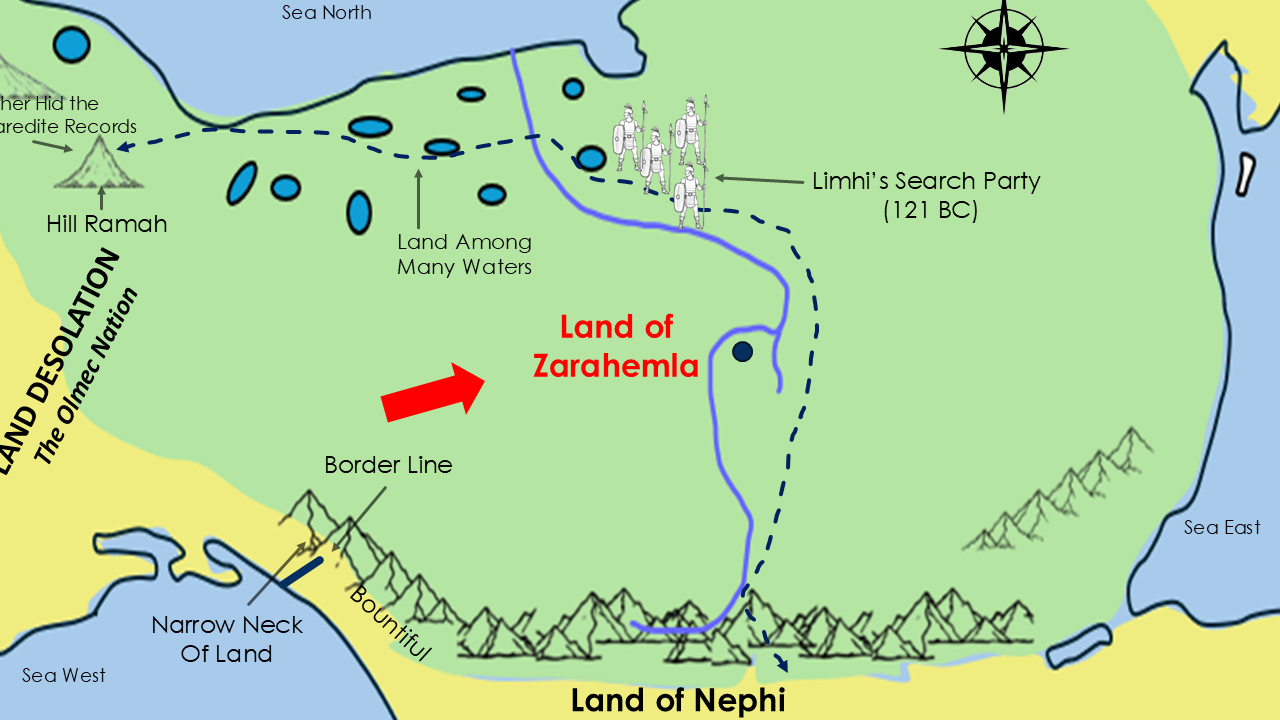
The River Sidon runs through the territory.
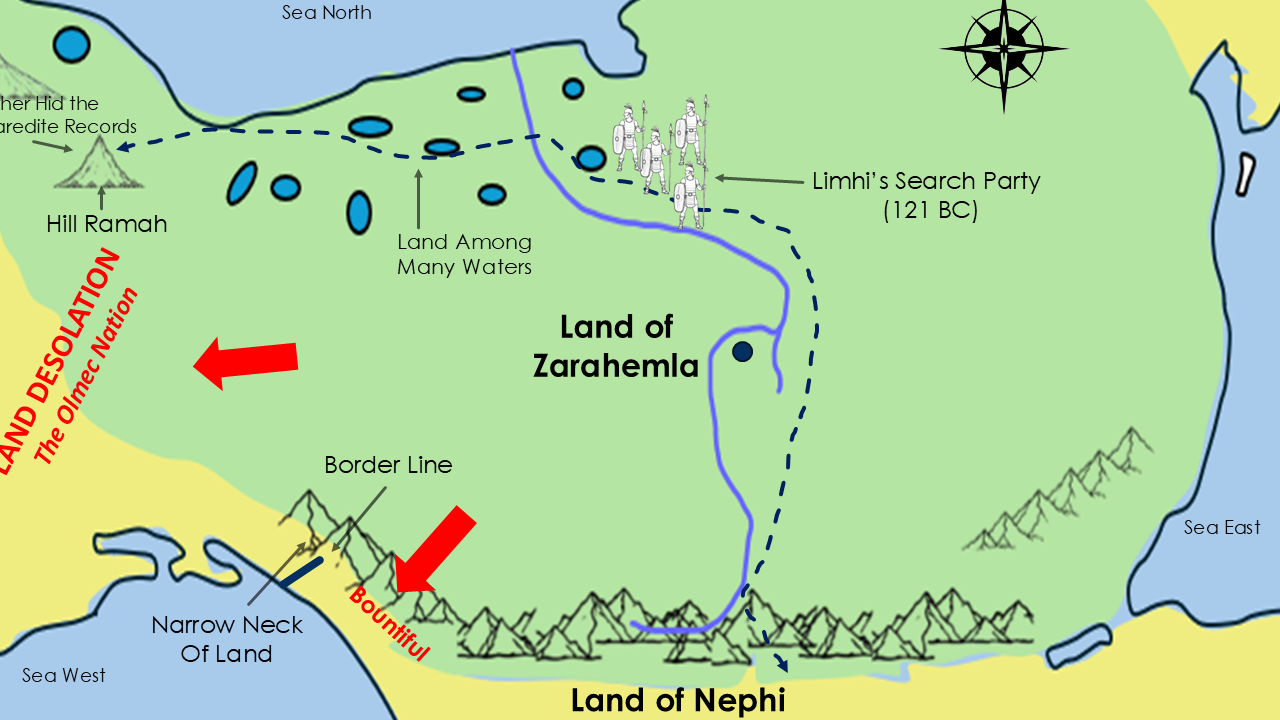
The Bountiful/Desolation boundary lies to the north.
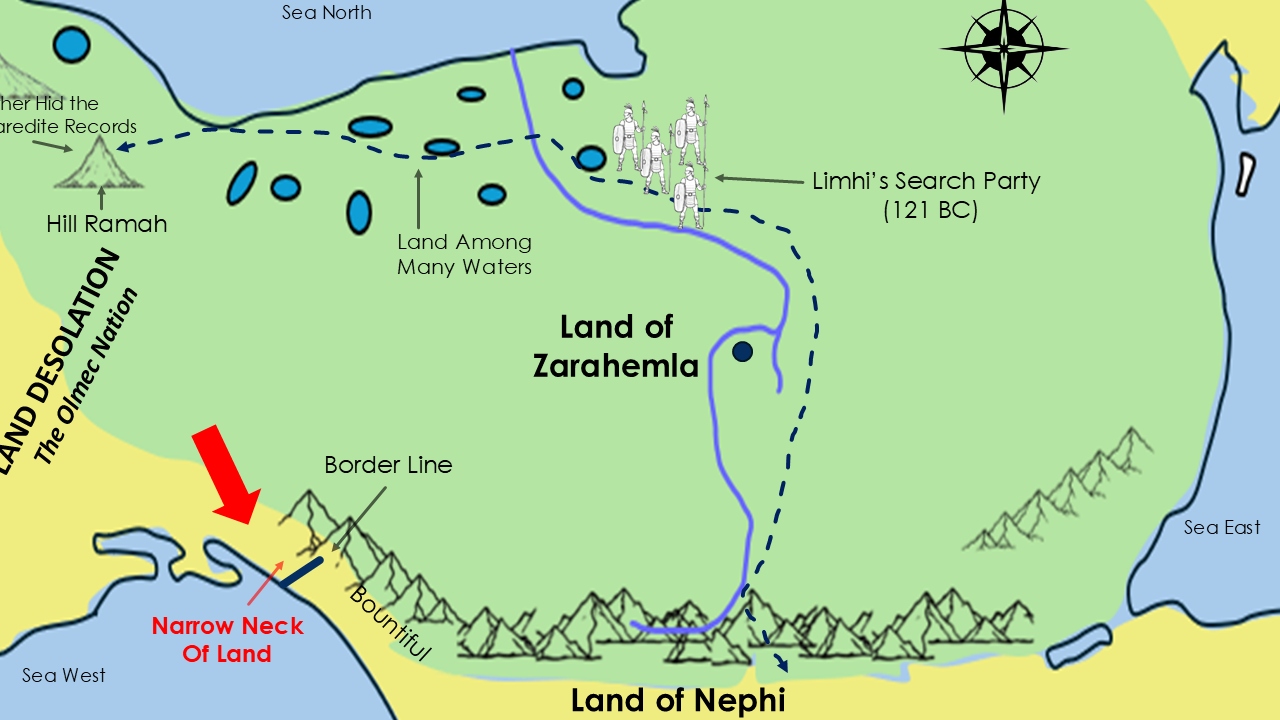
The narrow neck is here.
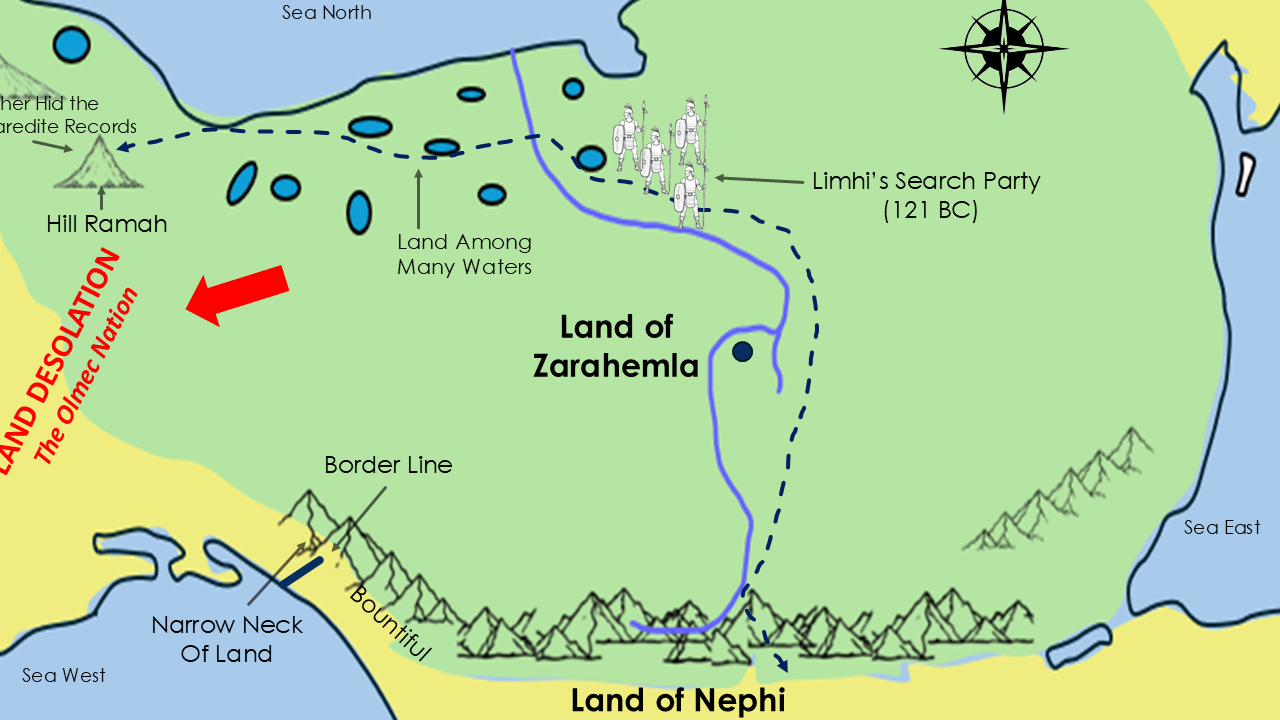
The land of Desolation extends northward.
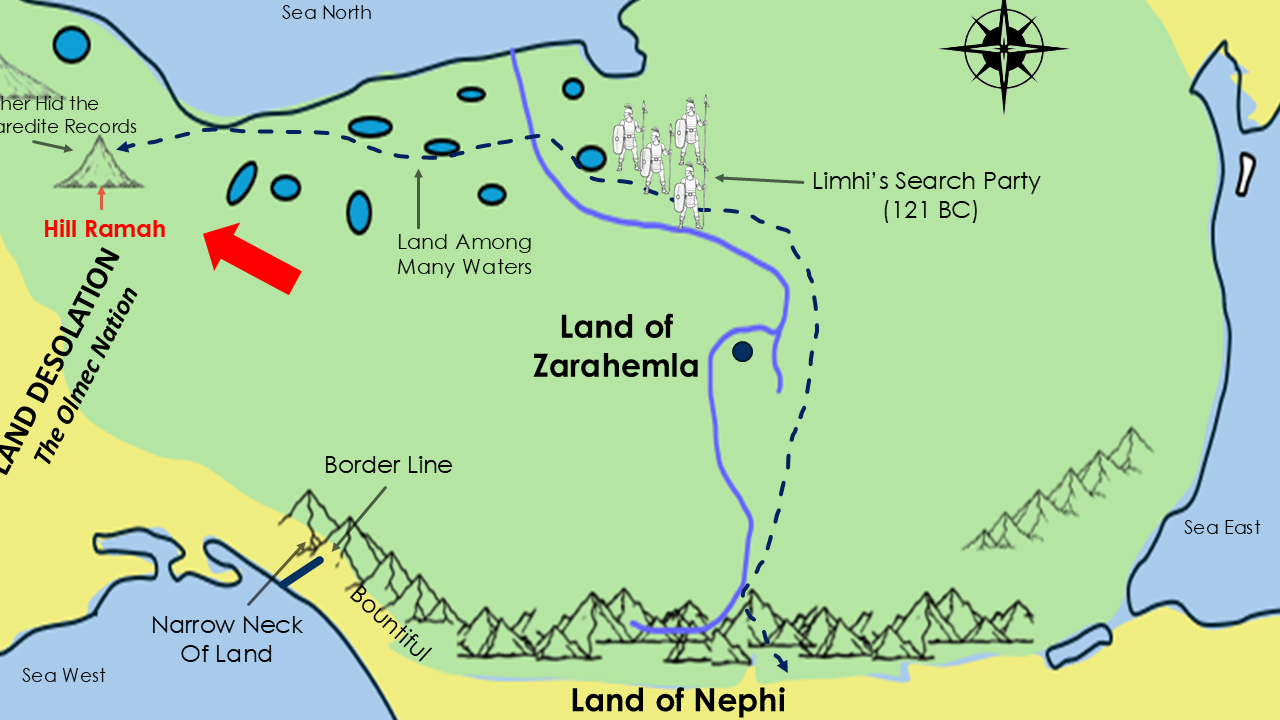
The proposed Hill Ramah is here.
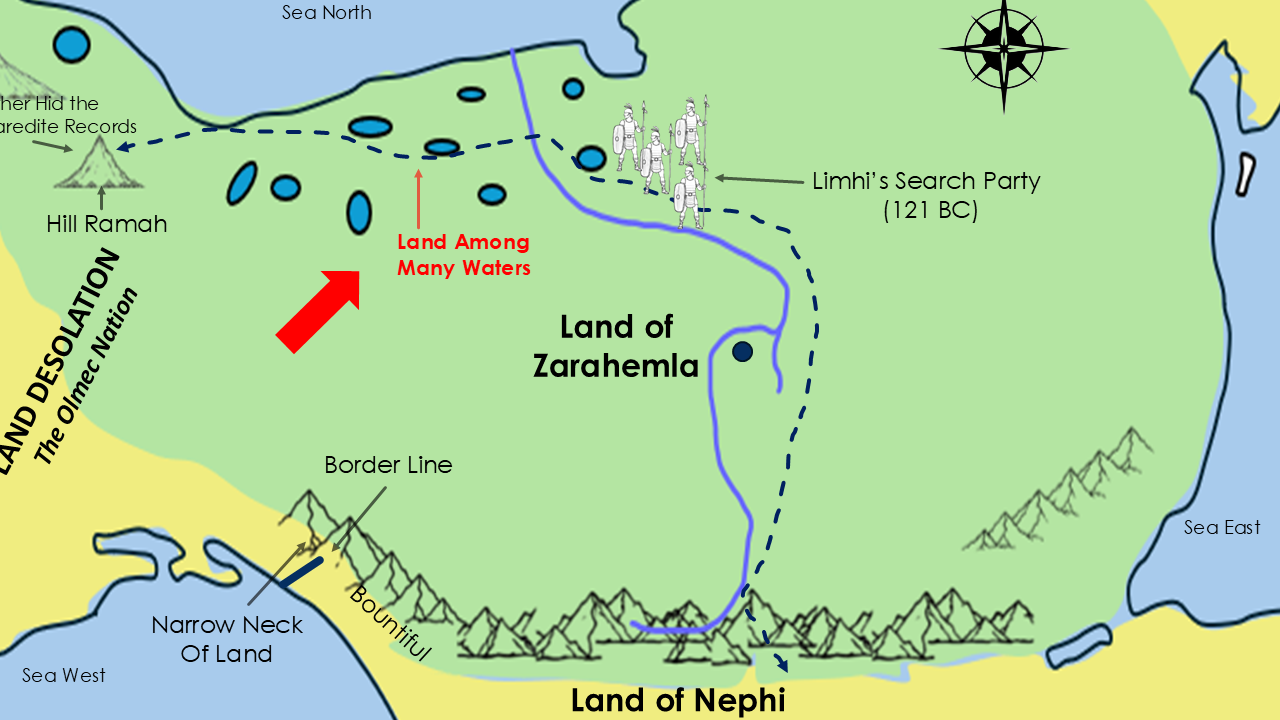
The land among many waters is here.
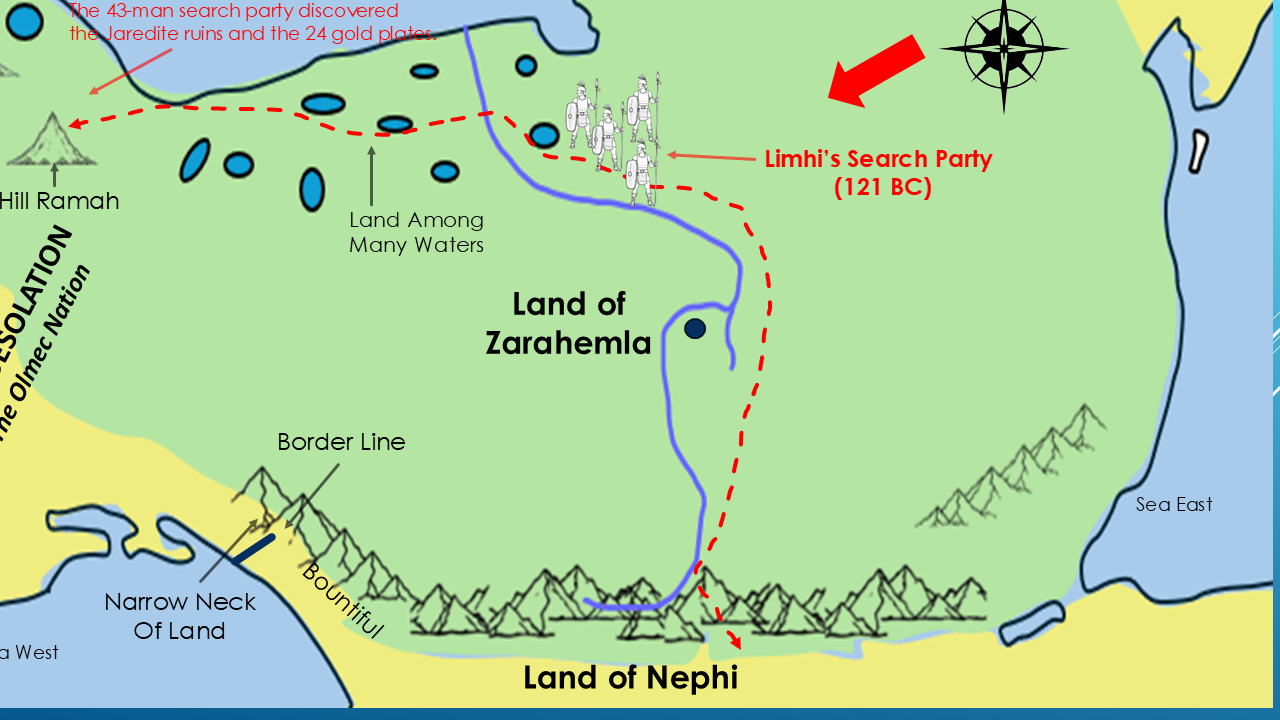
And the route of Limhi's search party takes them from the Land of Nephi into this northern territory before they return with the plates.
Is this absolutely proven?
No.
The Book of Mormon doesn't give us modern names.
It doesn't give us latitude and longitude.
But it does give us something we can test:
relative locations, directions, boundaries, terrain and travel routes.
And when those descriptions are placed together...
they produce a geographic model.
THE REAL QUESTION
So perhaps the question isn't:
"Does the Book of Mormon name the modern cities?"
The better question is:
"Do the descriptions fit the geography?"
We have a land.
We have boundaries.
We have seas.
We have a river.
We have mountains.
We have a narrow neck.
We have a land among many waters.
We have a hill where the final Jaredite battle occurred.
And we have a record that Ether says he hid in a manner that the people of Limhi would find.
Then Limhi's people travel into that territory...
and find exactly what Ether said they would find:
the Jaredite record.
To me, that is one of the most fascinating geographical clues in the entire Book of Mormon.
CONCLUSION
One More Observation
As we have followed Mormon's geographical descriptions throughout this investigation, something remarkable has become apparent.
We have not found a single geographical description that contradicts another.
Directions such as northward, southward, eastward, and westward continue to work together.
Lands, seas, rivers, mountains, wildernesses, borders, and travel routes consistently fit the relationships Mormon describes.
As I study the Book of Mormon and Mormon’s directions, I ask myself…
Do the Book of Mormon's geographical descriptions contradict one another, or do they continue to fit together as we add more information?
So far in this investigation, we have found consistency — not contradiction.
This ends Part 9 of The Big Picture of the Book of Mormon.
We've now followed the 24 Jaredite gold plates from the final days of the Jaredite civilization...
to Ether...
to their discovery by Limhi's search party...
and finally to the Nephites.
But we're not finished.
We now come to the most important question of all:
Where did Jesus Christ appear in the Americas?
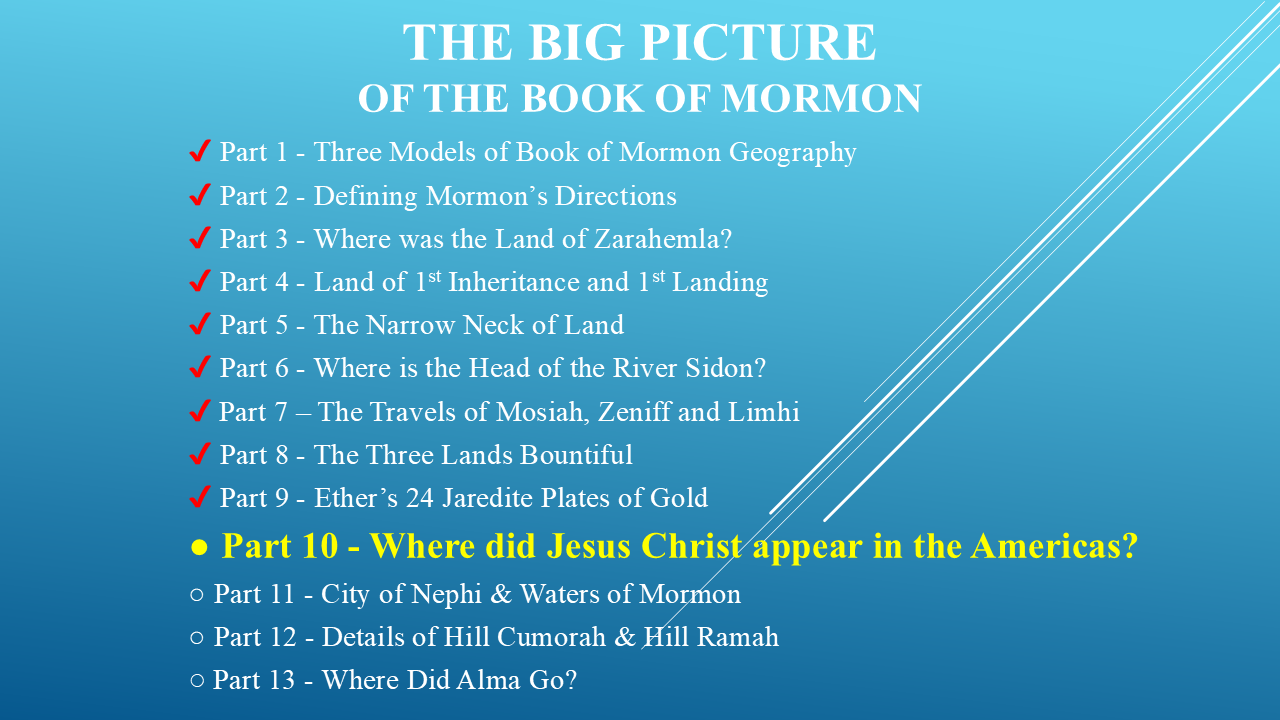
In Part 10, we'll investigate the Book of Mormon's descriptions and see where they lead.
Because the more descriptions we put on the map...
the more interesting the picture becomes.
Thanks for joining me.
I'm Kendall, the Mormon Mann.
And I'll see you in the next investigation.