
The Big Picture of the Book of Mormon
Part 8 - The Three “Lands Bountiful”
Three different places. One name. Do the directions fit?
Three different places. One name.
Do the directions fit?
The Book of Mormon mentions a place called Bountiful in more than one location.
But are these really three different places?
And if they are, can Mormon's descriptions tell us where they belong?
Today we're going to investigate the three Lands Bountiful—one in the Old World and two in the New World—and see whether all three can fit the geography we've been building.
THE INVESTIGATION BEGINS
Hi, welcome back to the Mormon Mann Channel. I'm Kendall, the Mormon Mann.
This is Part 8 of our thirteen-part series, The Big Picture of the Book of Mormon.
In this series, we're taking Mormon's descriptions of lands, seas, rivers, mountains, wildernesses, directions, and distances—and placing those descriptions onto a modern map.
So far, we've been building the map one clue at a time.
And today, we're going to investigate something especially interesting:
The Book of Mormon uses the name “Bountiful” for three different locations.
One is in the Old World.
Two are in the New World.
So here's our question:
Can all three Lands Bountiful fit the geography described by Mormon and Nephi?
And I'm going to let you investigate the clues with me.
“Before we begin, I want to point something out. We have already accumulated a lot of geographical clues in the first seven videos of this series.”
“We've looked at directions. We've identified seas, lands, wildernesses, mountains, rivers, distances, the head of the River Sidon, the Narrow Neck of Land, Zarahemla, the first inheritance, and the travels of Zeniff and Limhi.”
“Some of these clues are small by themselves. But they don't stand alone. They begin to form a pattern.”
“Think about circumstantial evidence in a court of law. There isn't a required number of pieces of circumstantial evidence before a person can be convicted. What matters is whether the evidence, taken together, establishes the case beyond a reasonable doubt.”
“That's the way I want you to look at this investigation.
I'm not asking you to decide whether one geographical clue proves the Book of Mormon. I'm asking you to look at the accumulated evidence.”
“And Part 5—the Narrow Neck of Land—is a perfect example.”
“In Part 5, we didn't find just one clue about the Narrow Neck of Land. We found a whole series of relationships.”
“The narrow neck connects the land southward with the land northward.
It is associated with the west sea.
The land Bountiful is near it.
The land Desolation is near it.
Hagoth's ships were launched into the west sea near the narrow neck.
And Mormon's descriptions give us directional relationships between these places.”
“Any one of those observations might not seem particularly impressive by itself.”
“But when several independent descriptions point to the same geographical arrangement, the evidence becomes cumulative.”
“That's what circumstantial evidence does.
One clue points in a direction.
Another clue points in the same direction.
Then another. And another.”
“Eventually, you're no longer looking at isolated clues. You're looking at a pattern.”
“And that's exactly what we're going to do today.”
“We're going to add another ten clues to the investigation.”
“And this time, we're going to investigate three different Lands Bountiful.”
“Circumstantial evidence doesn't mean every individual clue has to be conclusive. Its strength comes from the convergence of multiple clues that independently point toward the same conclusion.”
“And we're going to keep track of the clues as we go.
By the time we're finished, we'll have ten separate geographical clues to consider.
But remember, we're not looking for one clue that proves everything.
We're looking at the evidence as a whole—and asking whether these clues converge on the same locations.”
THE FIRST LAND BOUNTIFUL
Let's begin with the first Land Bountiful.
This one is not in the Americas.
It is in the Old World, on the Arabian Peninsula
There is a common challenge made against the Book of Mormon: ‘If the Book of Mormon were really an ancient historical record, why doesn't it give us the name of an actual place that we can identify today?’
Well, let's investigate that claim.
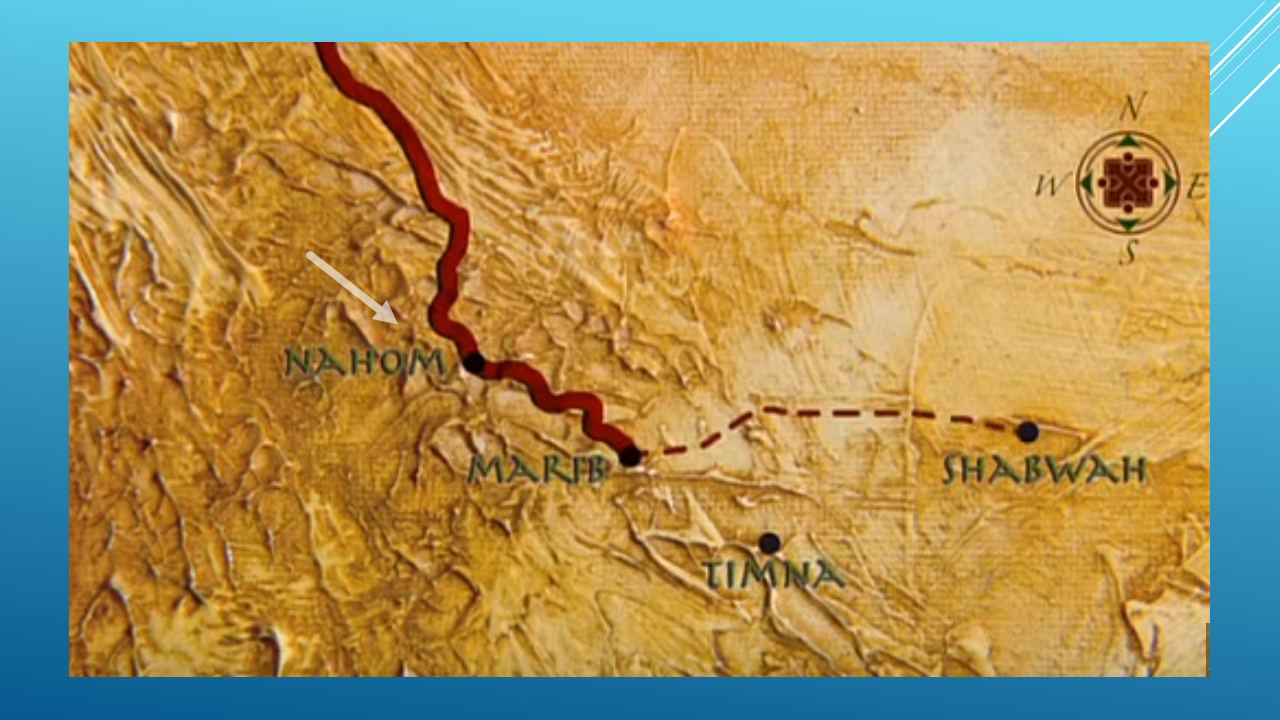
According to 1 Nephi, Lehi and his family traveled southward from Jerusalem, through the wilderness, until they reached a place called Nahom.
Now notice something very important.
Nephi doesn't simply say that his family named the place Nahom.
He says:
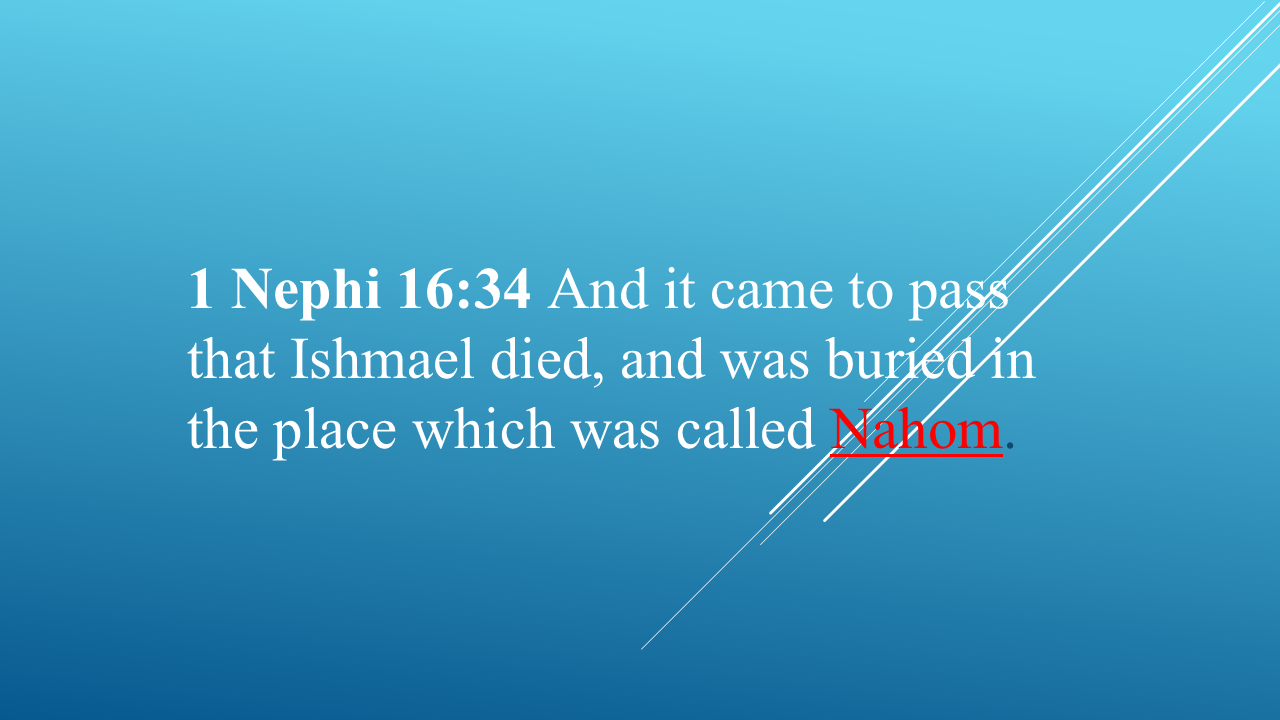
That's an interesting description.
The place was called Nahom.
“The Book of Mormon gives us this place called Nahom.”
“Nephi doesn't say, ‘We named this place Nahom.’ He says that Ishmael ‘was buried in the place which was called Nahom.’ In other words, the name already existed.”
“Now here's where this gets remarkable.”
“In Yemen, in the very region that fits the Book of Mormon's described route, we find the ancient name NHM—preserved in South Arabian inscriptions and associated with the Nihm people and their territory.”
“This isn't a modern researcher inventing a name and putting it on a map. The name NHM has ancient roots, and the evidence places it in the region long before the Book of Mormon was published.”
“So when someone says, ‘The Book of Mormon doesn't name a real place,’ I would ask them to consider Nahom.”
“Because here we have something quite unusual: an ancient Book of Mormon place-name, a rare three-consonant name—NHM—and an ancient geographic and tribal name preserved in the same region.”
“Does that prove every detail of the Book of Mormon geography? No.”
“But is it a geographical clue that deserves serious investigation?”
Absolutely.
So let's ask:
Can we find a real ancient place in Arabia that fits that name and that location?
CLUE #1 — THE NAME: NHM
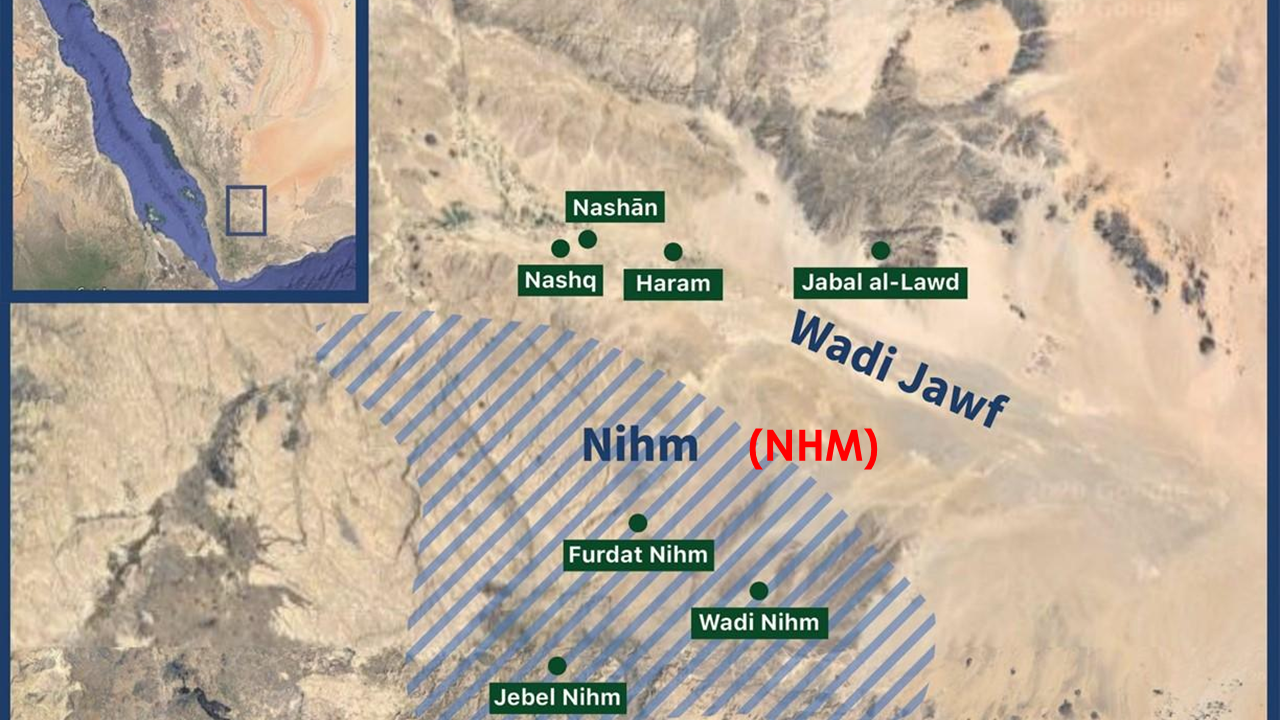
Today, in Yemen, there is a region historically associated with the name Nihm, or NHM.
But there's another important detail about this discovery.
Look carefully at the ancient inscription.
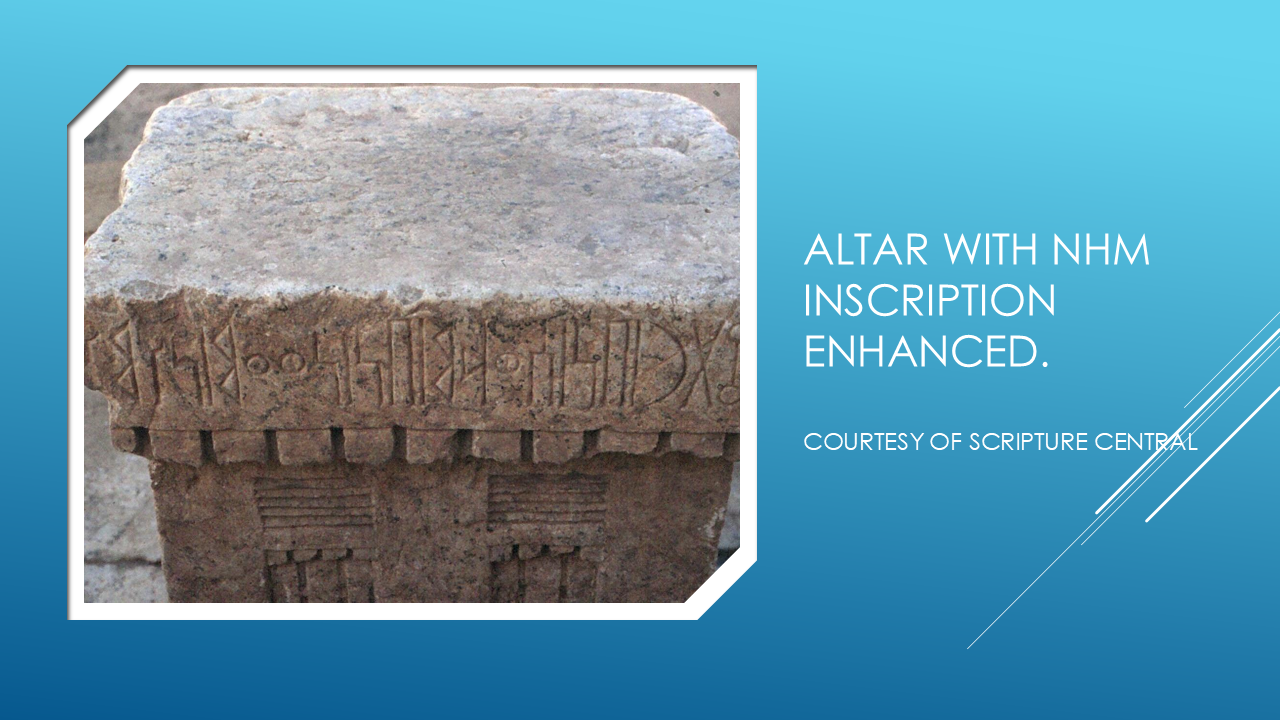
A second alter with the inscription NHM.
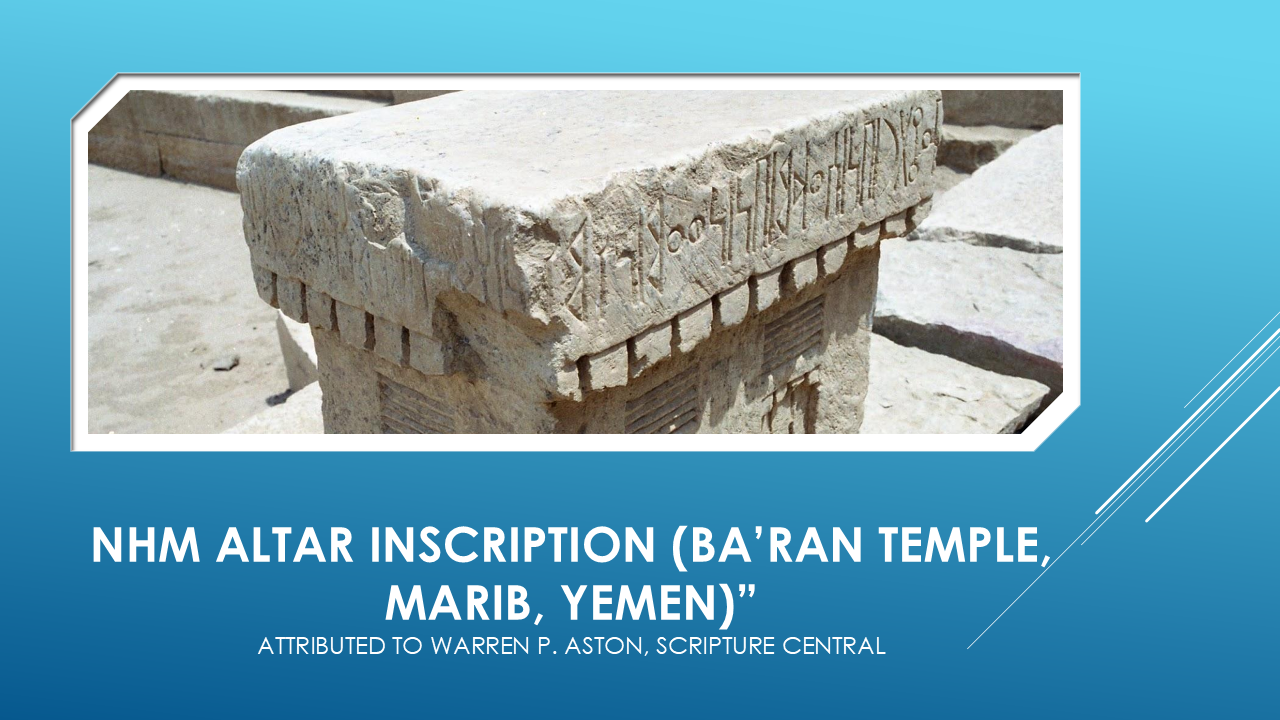
Warren Aston is pictured here pointing the NHM characters on the altar.
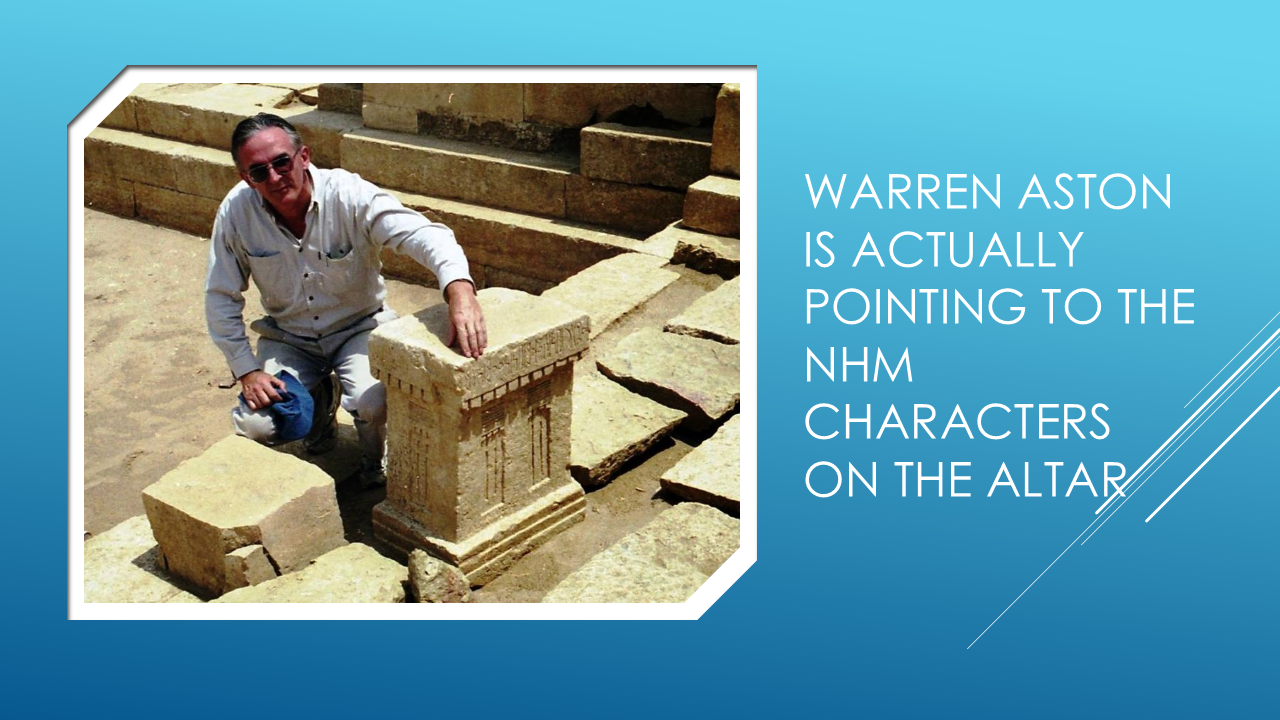
On these alters, we have three consonants.
No vowels.
Why?
Because ancient Semitic languages—including Hebrew and ancient South Arabian—were commonly written using consonants, while the vowels were supplied by the reader.
So, when we see NHM in an ancient inscription, we don't automatically know exactly how the word was pronounced.
It could be represented in English as:
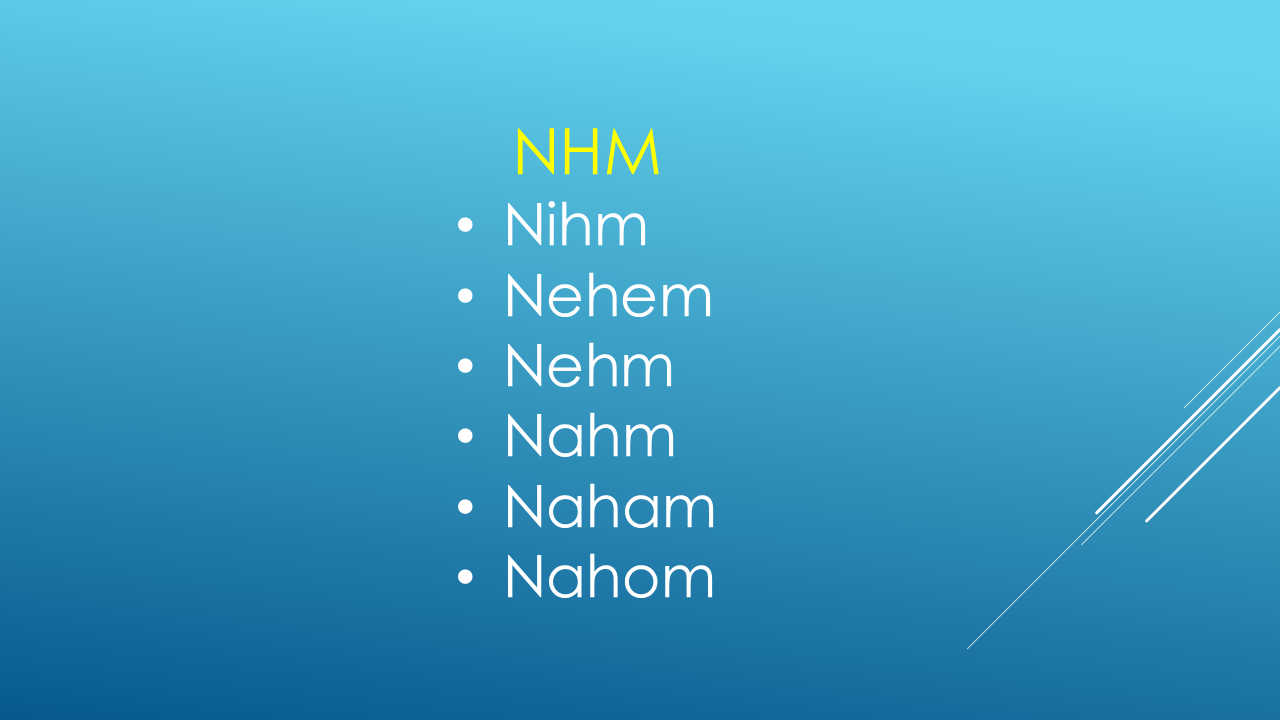
The vowels can change when the ancient name is transliterated into another language.
And this is important because Nephi doesn't tell us that he invented the name Nahom.
He says:
“Ishmael died, and was buried in the place which was called Nahom.”
The place already had a name.
So, we're not looking for a modern place that happens to sound like “Nahom.”
We're looking for an ancient place in the right region whose name was represented by the consonants NHM.
And that's exactly what the archaeological evidence gives us.
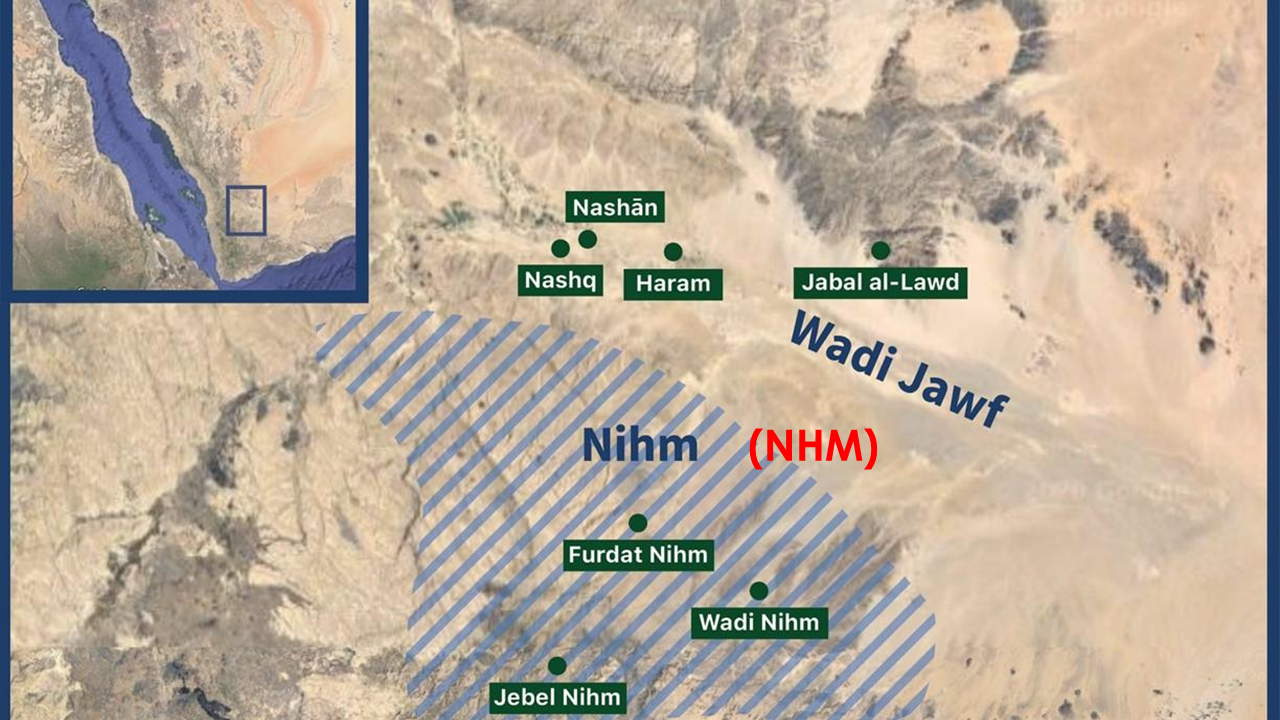
Ancient inscriptions from Yemen identify a people associated with NHM, generally understood as the Nihm tribe and region.
And those inscriptions date to the very general time period in which Lehi's family would have been traveling through Arabia.
Now, can we prove that Nephi's “Nahom” was this exact location?
No.
But notice what is happening.
We have:
NHM — an ancient name.
NHM — in the region of Yemen.
NHM — attested in inscriptions dating to Lehi's era.
Could NHM be the Nahom that Nephi recorded?
CLUE #2 – THE PRONUNCIATION
But here's where it gets especially interesting. The modern inhabitants of this same region pronounce the name approximately ‘Nä-hum.’
So, the question becomes: could the ancient NHM that we find in these inscriptions be the Nahom that Nephi recorded?
We can't prove the exact ancient pronunciation. But we have the same three consonants, in the same region, in inscriptions dating to the time of Lehi—and the name has continued in that region for centuries.
CLUE #3 – THE ANCIENT INSCRIPTIONS
And this gets interesting.
Archaeological excavations at the ancient Bar'an temple near Marib uncovered limestone altars bearing inscriptions containing the name Nihm/NHM.
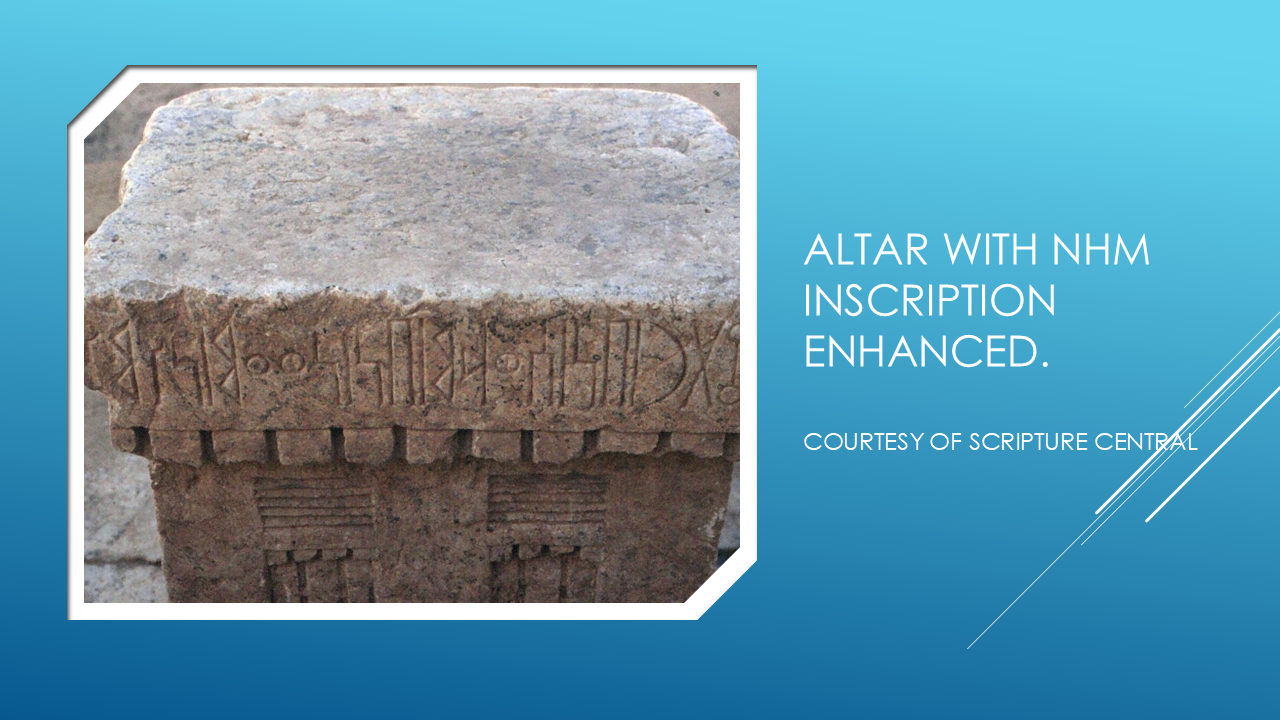
The artifacts date to ancient Arabia, roughly around the time period associated with Lehi.
The first altar was discovered during German archaeological work in the 1980s, and additional inscriptions were subsequently identified and studied.
So far, we have a Name → the Pronunciation → and Ancient Evidence.
CLUE #4 – AN ISHMAEL IN THE RIGHT TIME
And here's another clue. Researchers examined a collection of more than 400 ancient funerary stones from the Wadi Jawf (grave headstones).
Six of those stones contain the name Yasmaʿʾīl—the South Arabian form of the Hebrew name Ishmael.
Five are from later periods.
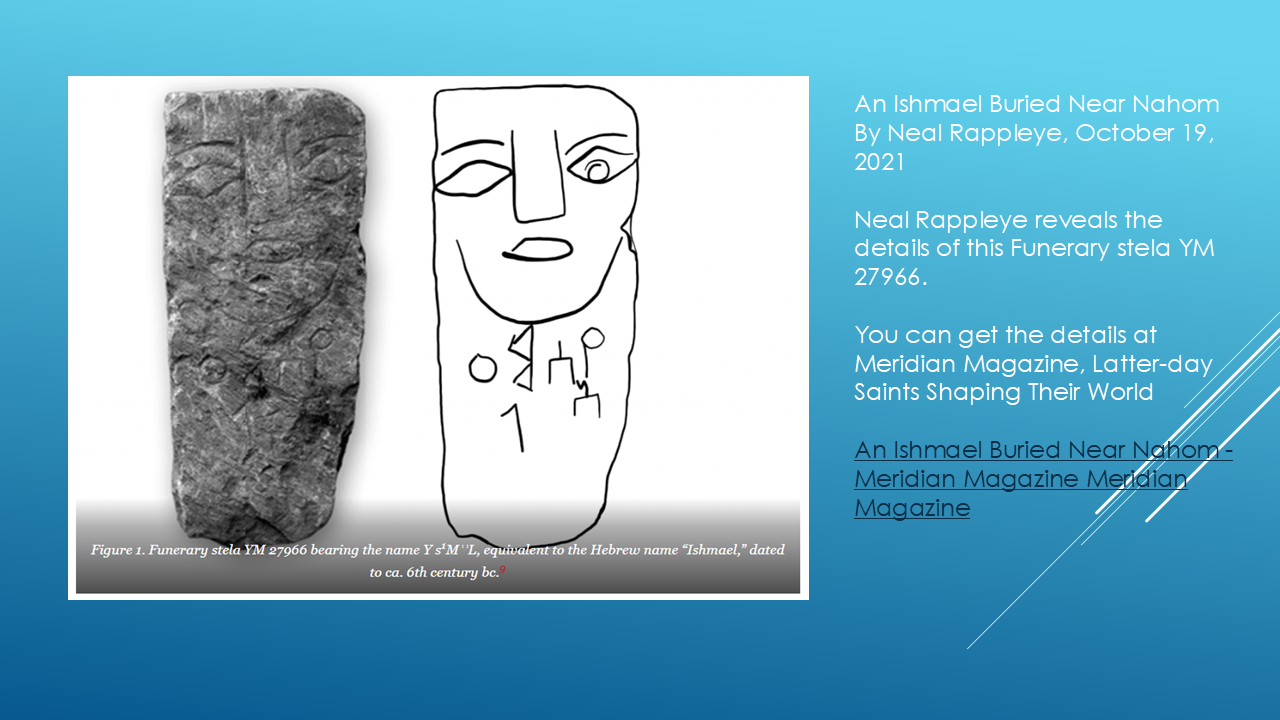
But one of them dates to approximately the sixth century BC—the very time period when Nephi says Ishmael was buried at Nahom.
“Can we prove this is Nephi's Ishmael? No.
The researchers themselves are very careful about that.”
But consider what we have found:
1. an ancient place called NHM/Nihm, in the region where many researchers locate Nahom;
2. an ancient burial region;
3. an eastward caravan route leaving that area;
4. and a funerary stone bearing the name Ishmael dating to approximately the same period.”
That's not one clue. That's several clues converging on the same area.
So, what does that prove?
Well, we need to be careful.
It does not say:
“Ishmael was buried here.”
And it does not say:
“This is the Nahom of the Book of Mormon.”
But it does give us something very interesting:
An ancient NHM name in the right general region of Arabia where Nephi described it.
It existed centuries before the Book of Mormon was published.
NHM wasn’t discovered until approximately 1947 by middle eastern archeologists.
That's evidence.
Remember the challenge we started with? Sceptics of the Book of Mormon have said: ‘Show me a named place.’ We now have:
An ancient NHM name in the very region we're investigating.
It has the trible area called Nihm.
It is currently pronounced Nahum.
It has an Ismael buried there from the time of Lehi’s travels through the area.
And we haven't even tested the direction of travel yet.
CLUE #5 – THE DIRECTION TEST
But the next clue is even more interesting.
Because now we can test the direction.
That's another piece of the puzzle. And now we have to ask an even more important question:
What happened when Lehi's family left Nahom?
Nephi tells us they traveled nearly eastward.
Where does an eastward route from this NHM region take us?
Let's put it on the map.
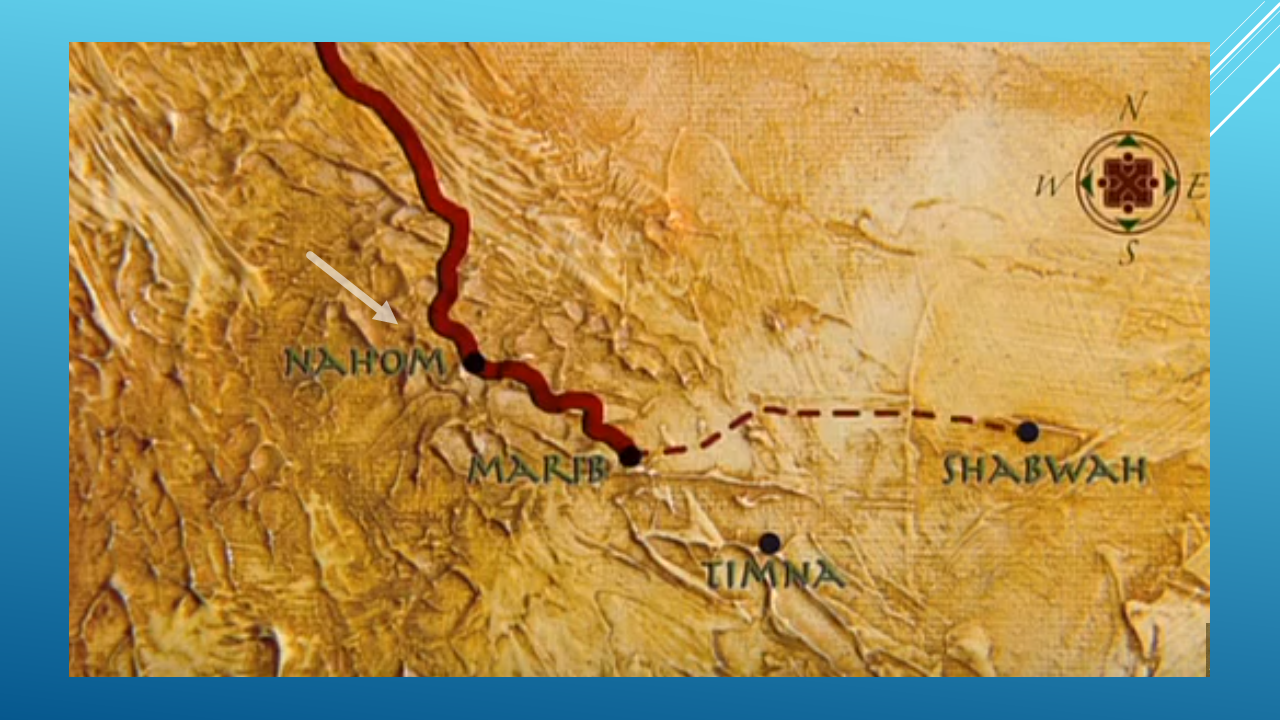
After reaching Nahom, Nephi tells us something remarkably specific.
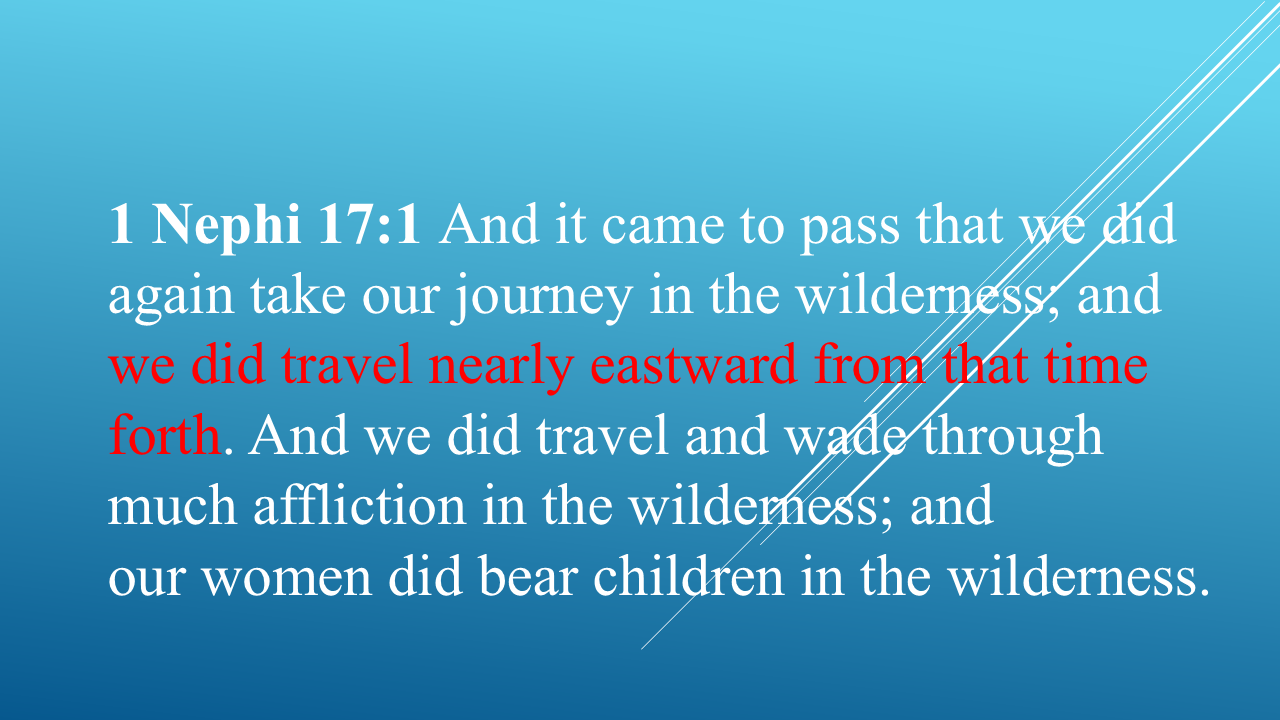
Stop there for a moment.
If Nahom is somewhere in this region of Yemen, where does a nearly eastward route take us?
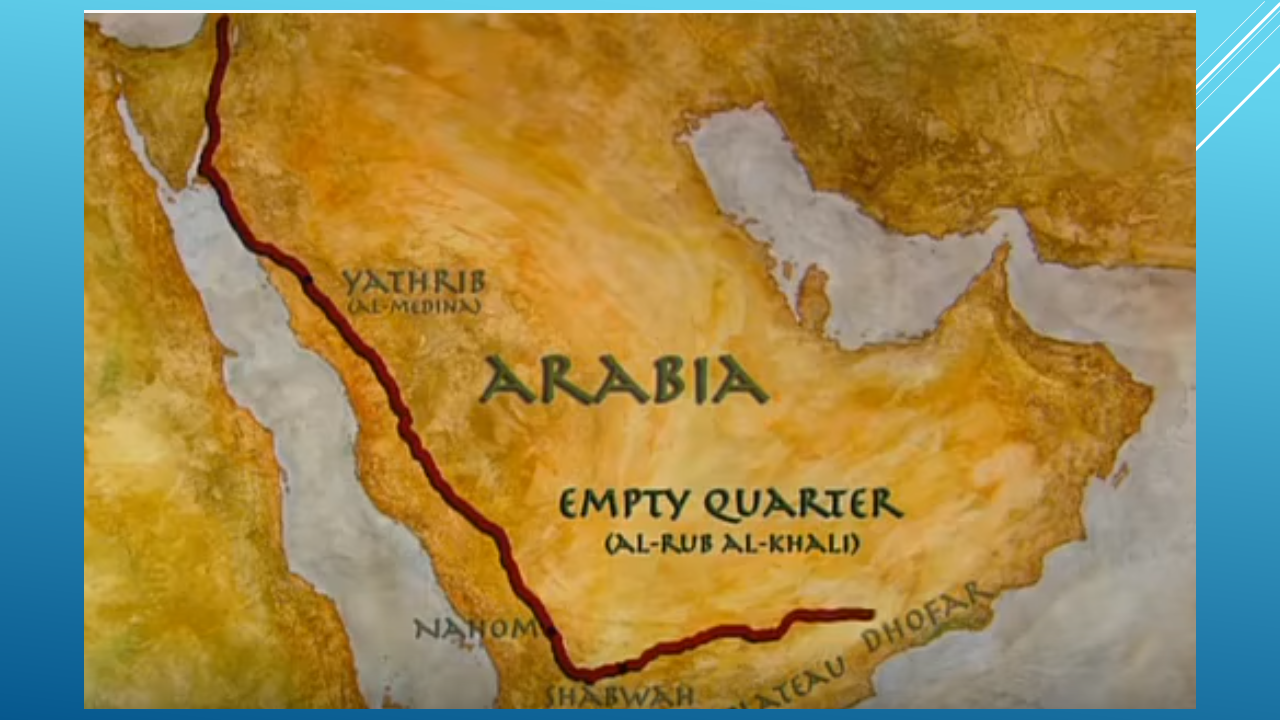
It takes us toward the southern coast of the Arabian Peninsula.
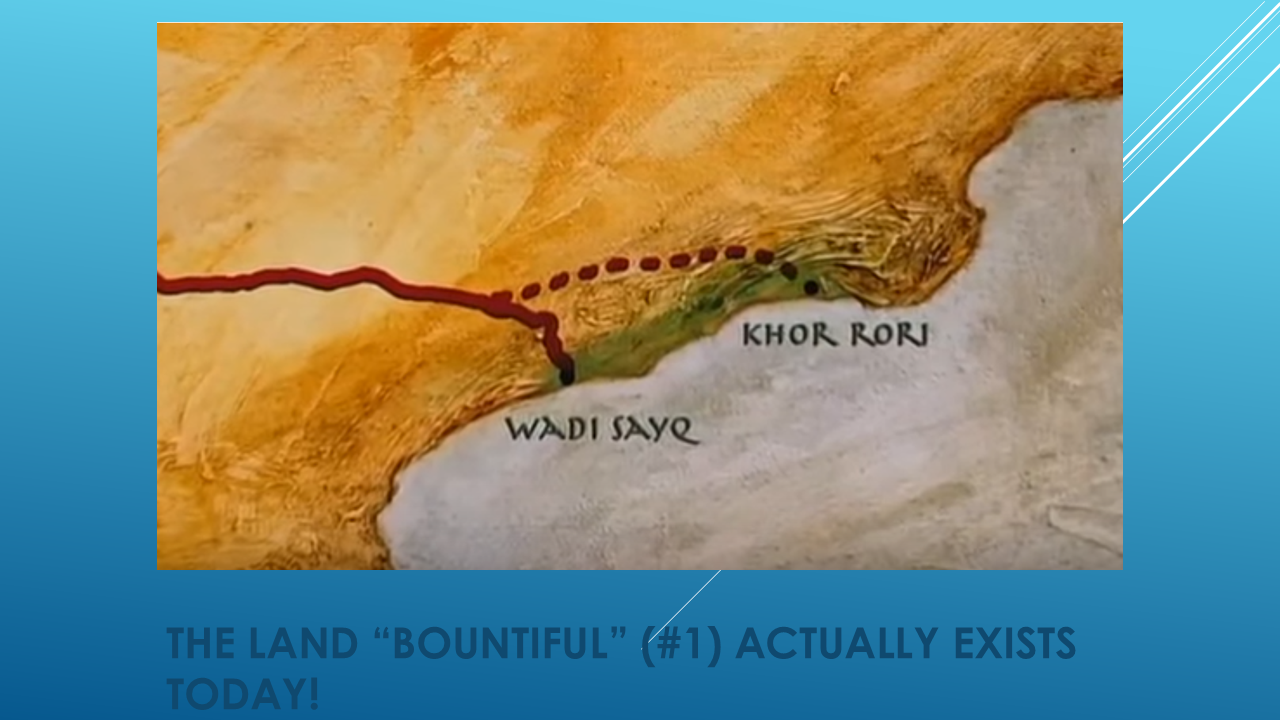
And eventually we arrive at an area of southern Oman.
Now let's see what Nephi says they found there.
CLUE #6 – THE BOUNTIFUL CHECKLIST
What should we find at Bountiful?
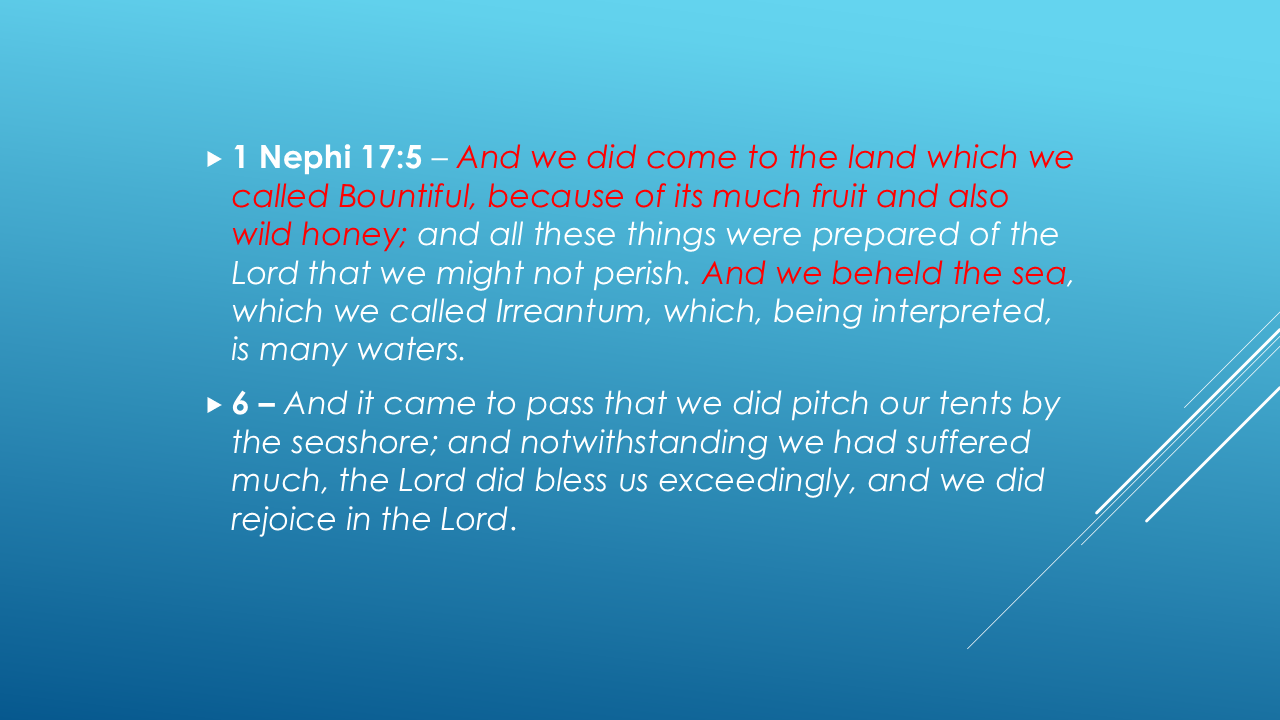
Nephi tells us they called the place Bountiful because it had:
much fruit
wild honey
fertile ground
fresh water
timber
ore
a seashore
And there was something else.
They needed a place where Nephi could build a ship.
So instead of asking:
“Can we find a green place in Arabia?”
let's make this an investigation.
What characteristics should we look for?
· Fresh water?
· Fruit?
· Timber?
· Ore?
· A mountain?
· A coastline?
· A place where a ship could be constructed and launched?
Those are testable characteristics.
Clue #7 – Does the Location Fit?
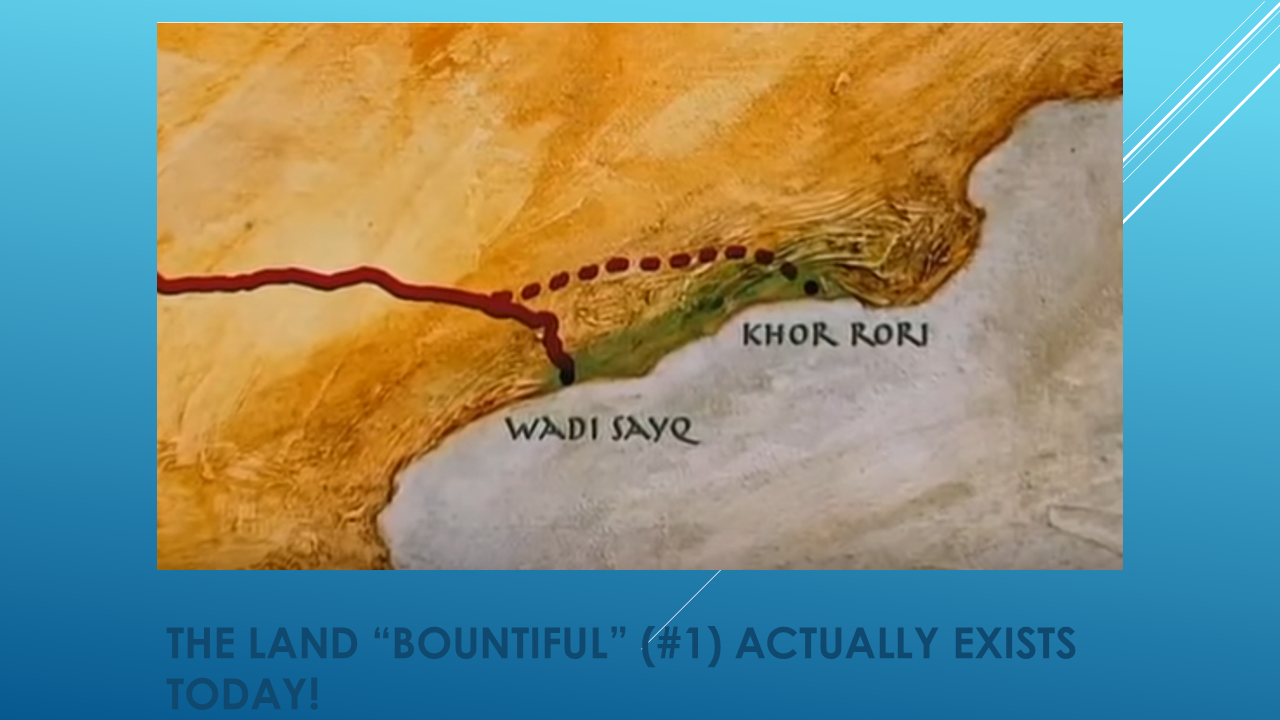
One proposed location is the Wadi Sayq and Khor Kharfot area of southern Oman.
This is important:
I'm not saying we've proven that this is the exact location.
I'm saying:
Does this location fit Nephi's description?
Researchers have identified a number of characteristics that make this area a serious candidate.
It has a freshwater source.
It has vegetation and fruit-bearing plants.
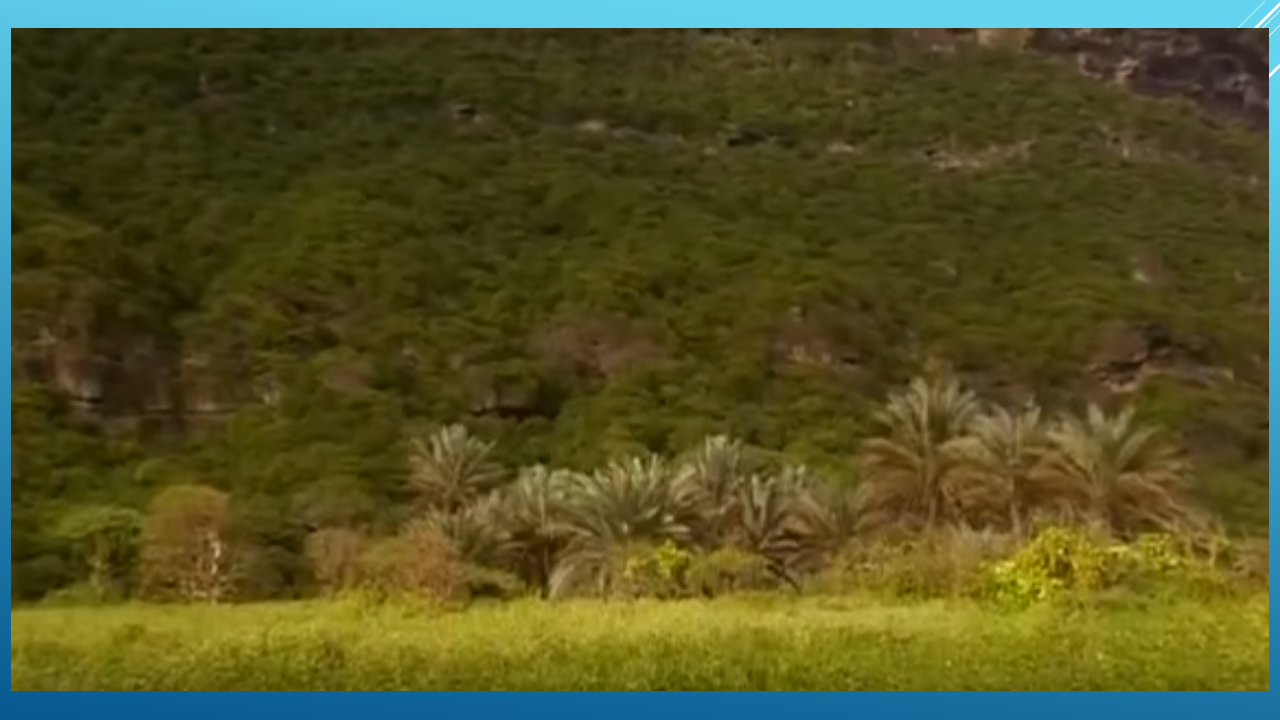
It has large trees.
It has mountains.
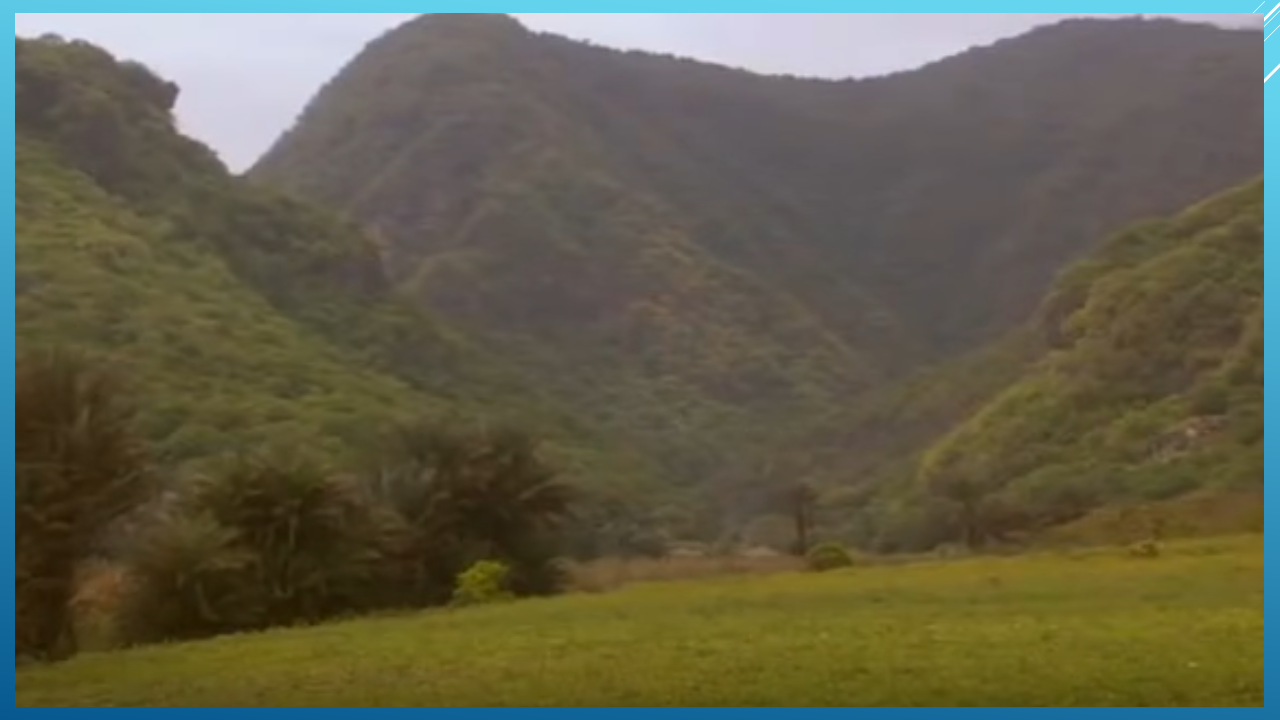
It has cliffs.
It has access to the sea.
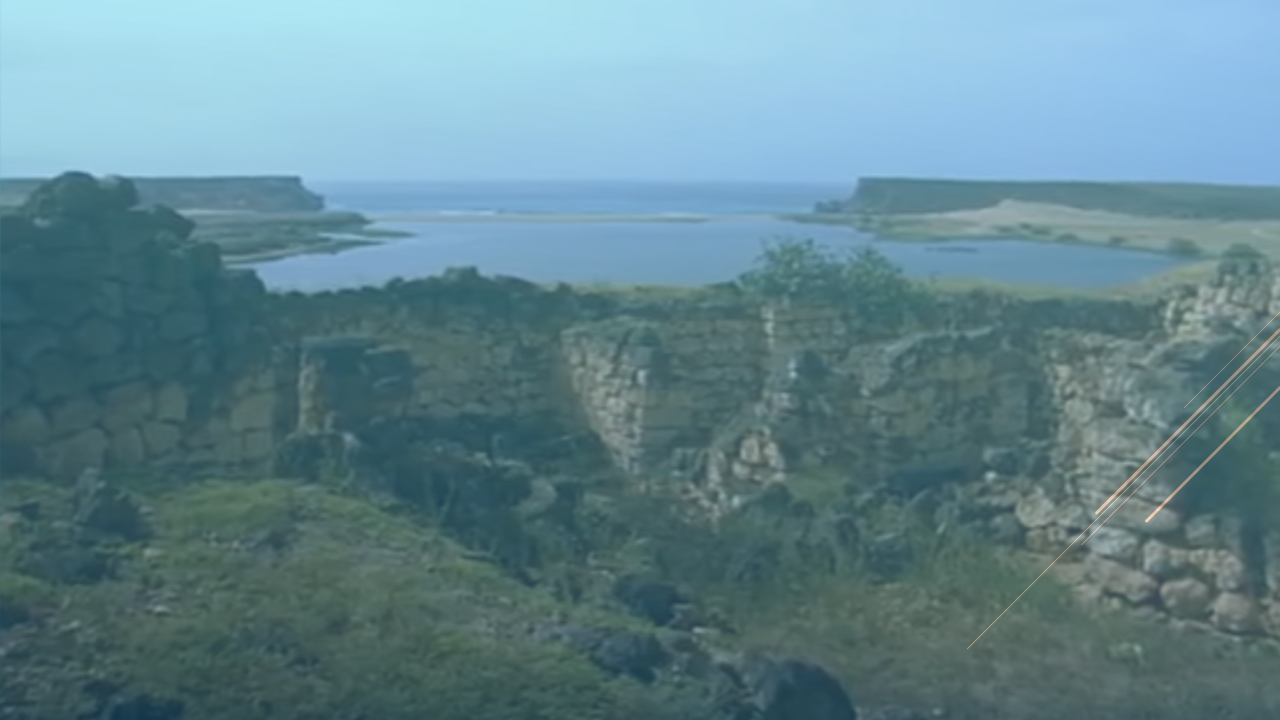
And it lies nearly eastward of the proposed Nahom region.
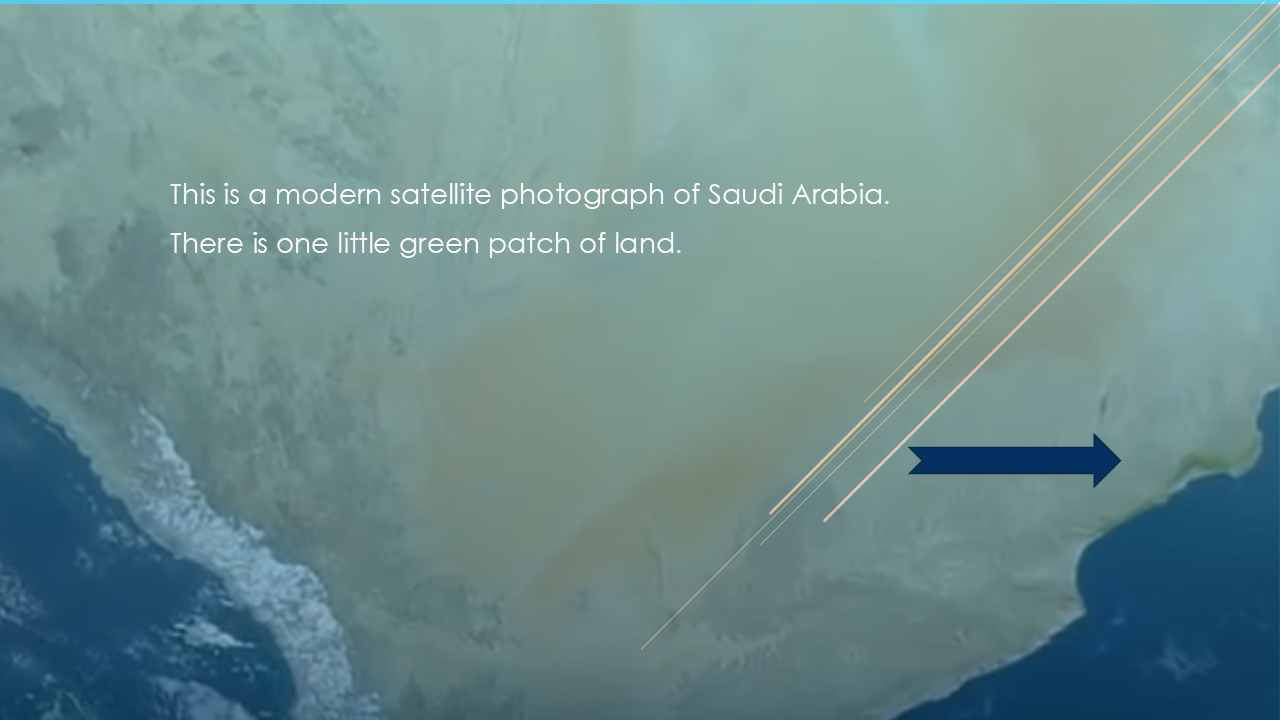
Look at this on the satellite image.
After traveling through some of the most barren terrain on earth, the travelers would have encountered a remarkably fertile coastal environment.
And remember what Nephi said: “We did call the name of the place Bountiful.”
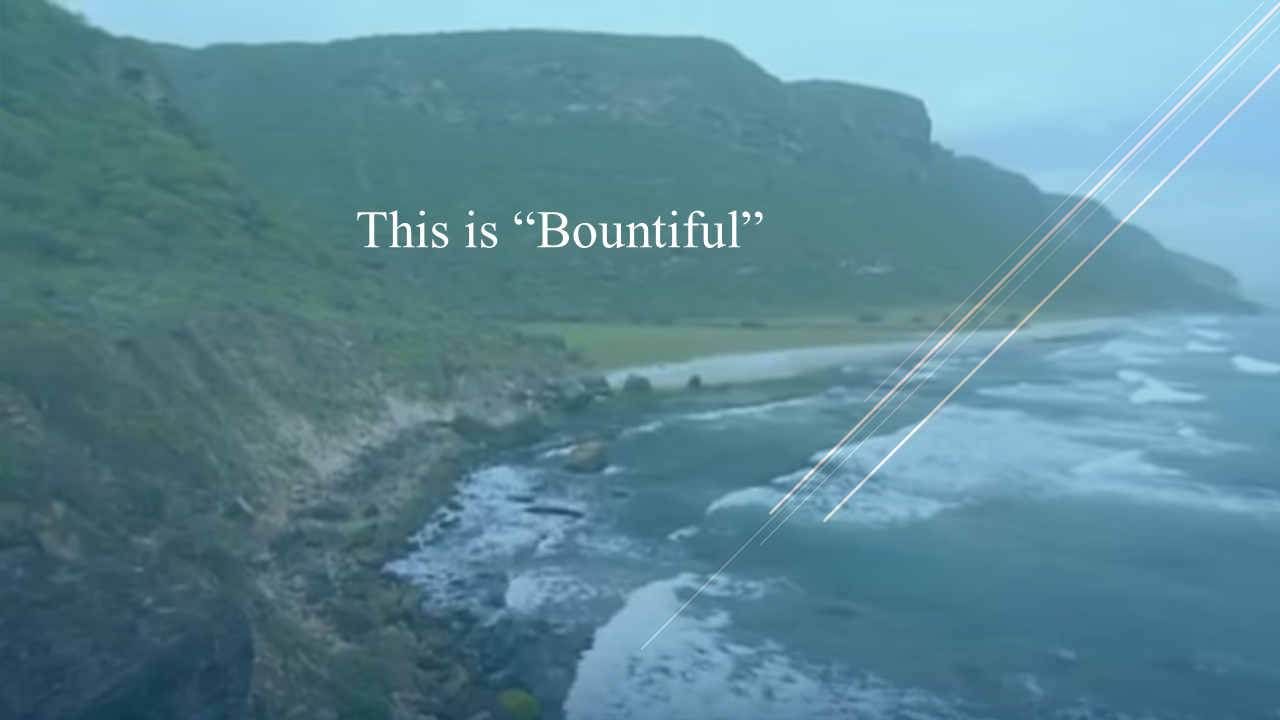
Clue #8 – Could Nephi Build a Ship Here?
Now comes another question.
Could this area actually provide the kind of environment Nephi describes for building and launching a ship?
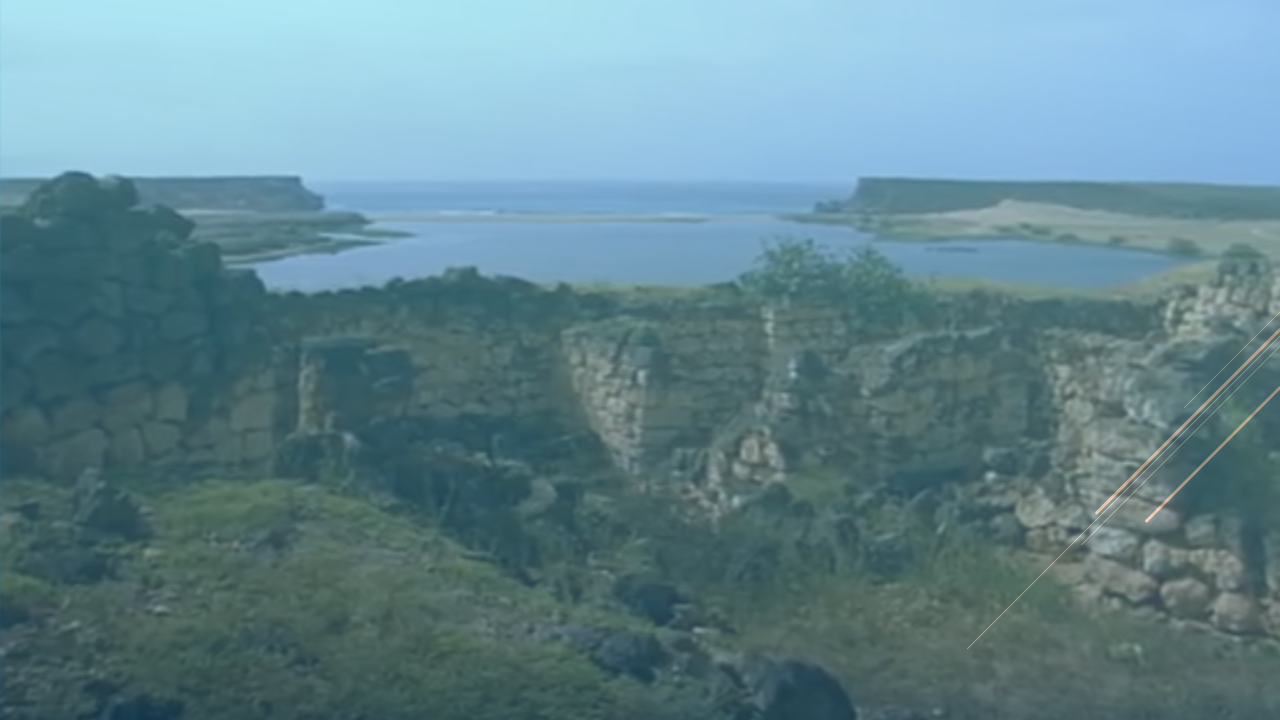
The proposed Khor Kharfot location has a sheltered coastal inlet, freshwater, vegetation, timber, mountains and access to the sea.
That's why researchers have considered it a strong candidate for the Old World Bountiful.
Again, we don't need to declare victory.
We're investigating.
Does the description fit?
The answer appears to be:
Remarkably well.
AND THEN THEY LEFT
After spending time in Bountiful, Nephi's family built their ship
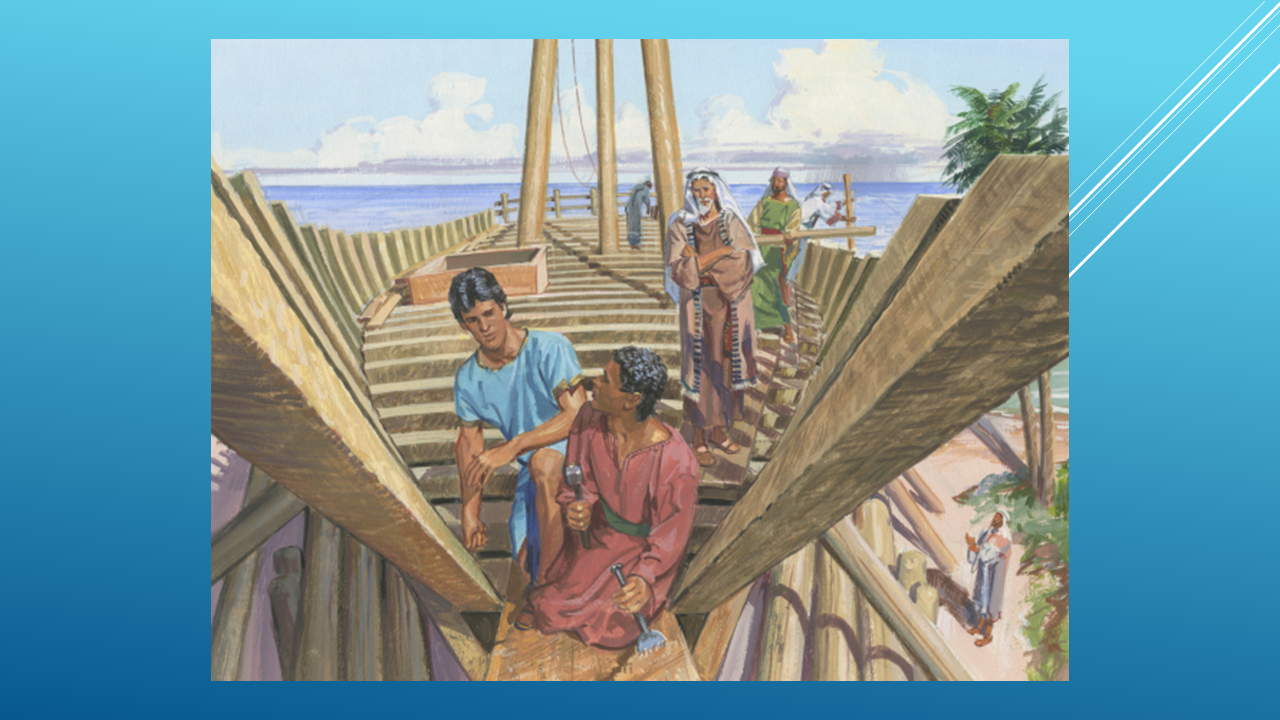
And then they sailed away.
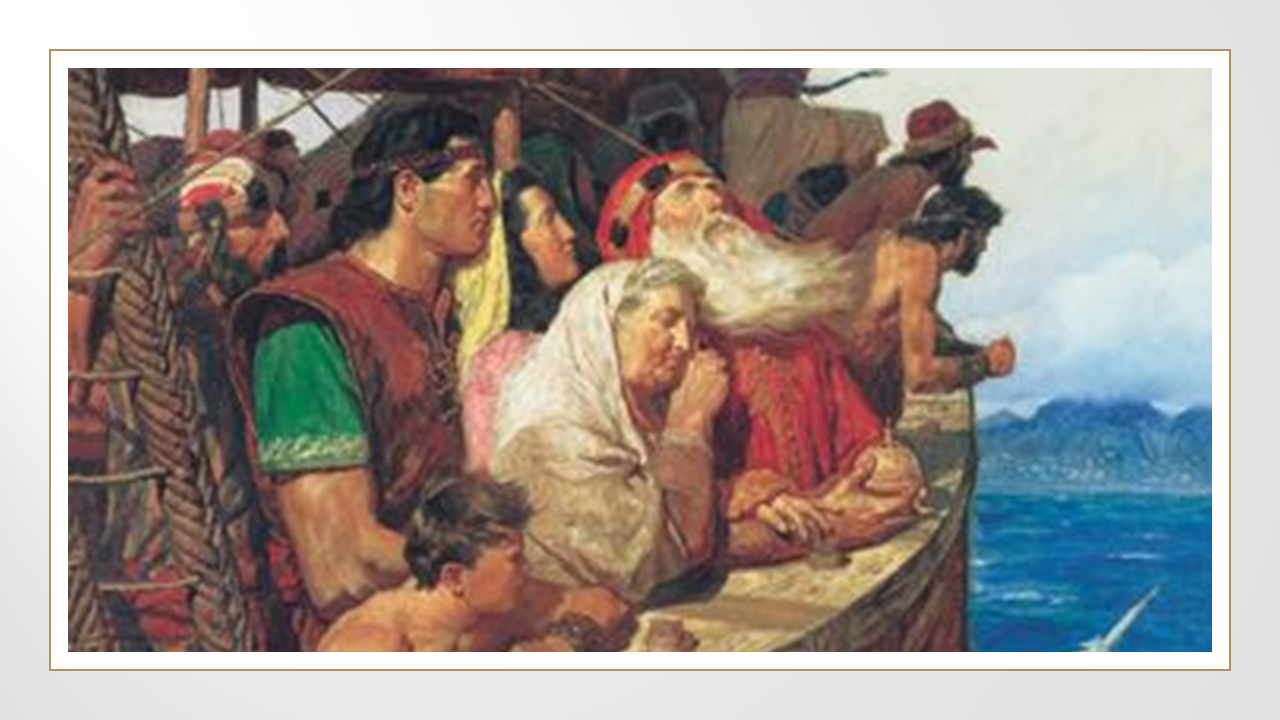
I like to imagine that moment.
After years of traveling through the wilderness, they finally reached a place with water, food, timber and the resources they needed.
And then—
anchors away!
Well... Nephi doesn't actually tell us that they said “anchors away.”
But I suspect they were probably happy to see the shoreline disappear behind them.
And now we leave the Old World behind.
WANT TO INVESTIGATE LEHI'S JOURNEY FURTHER?
Go to YouTube Videos and search for:
THE SECOND INVESTIGATION — BOUNTIFUL IN THE NEW WORLD
Now let's return to our Big Picture map.
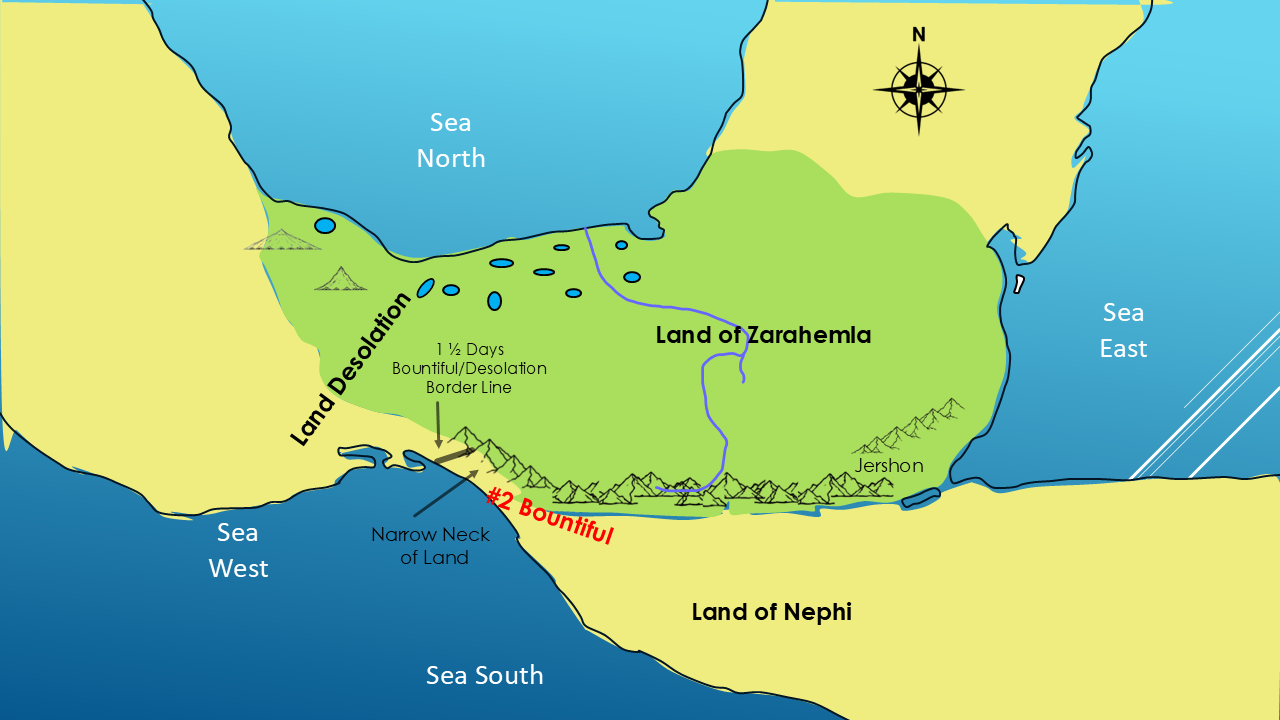
We're back in the New World.
And here is the area we've been developing in southern Mexico and Guatemala.
Remember, we've already identified the general relationship between:
the land southward
the land northward
the narrow neck
the west sea
the east sea
the land Desolation
and the land Bountiful.
Now watch what happens when we add another clue.
CLUE #9 – Where Was Hagoth?
In Alma 63, Mormon tells us:
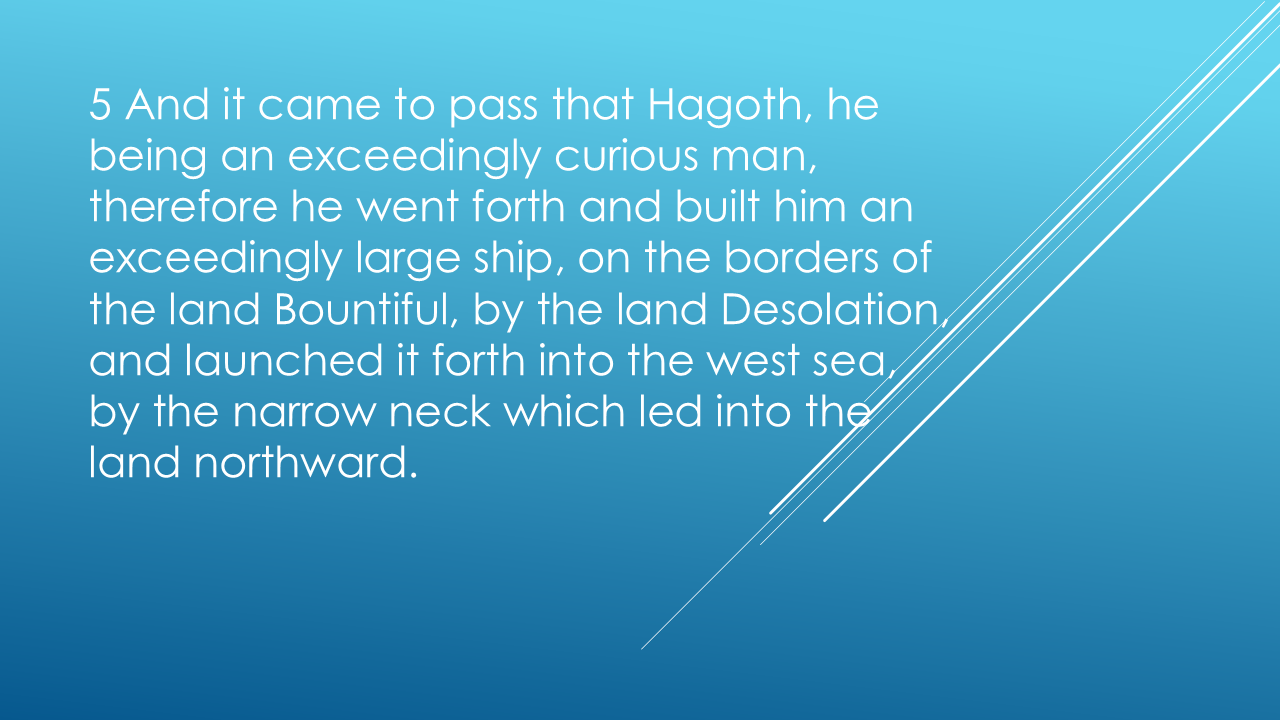
Let's slow this down.
Where was Hagoth?
On the borders of the land Bountiful and the land Desolation.
And where did he launch his ship?
Into the west sea.
And where was the narrow neck?
Between the land southward and the land northward.
So, let's put those clues onto the map.
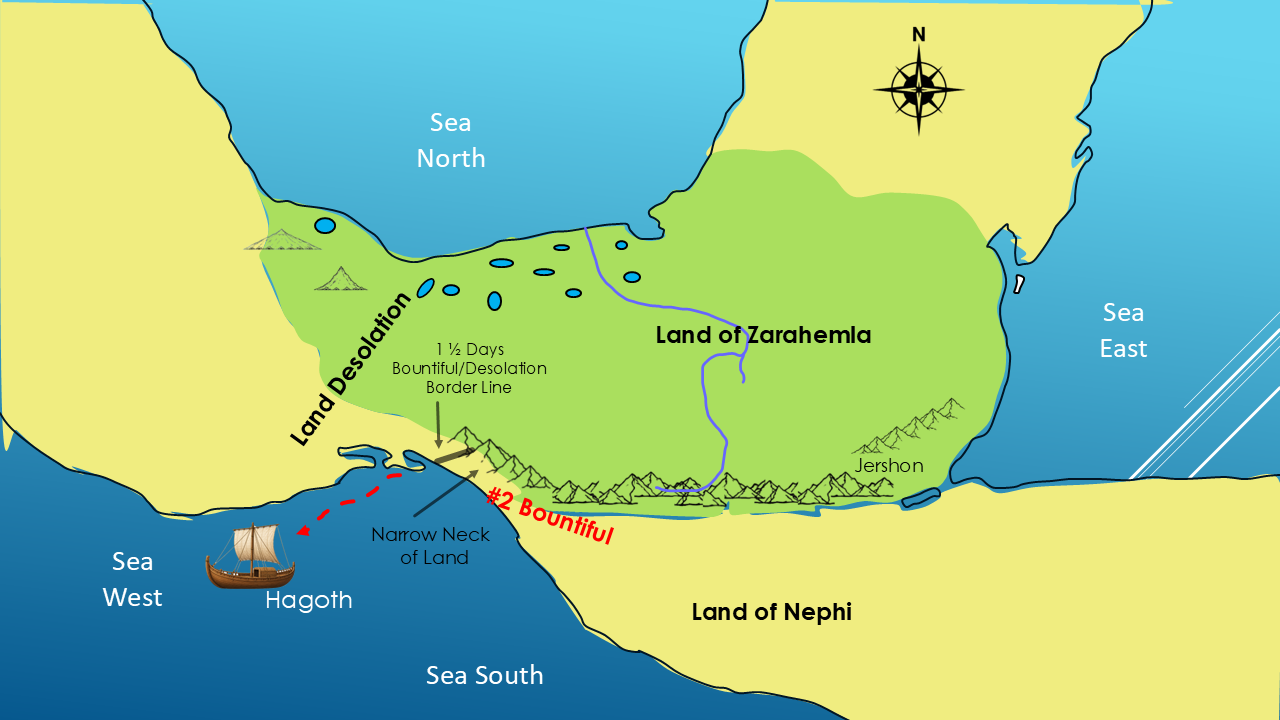
If our map is correct, Hagoth should be somewhere along this western coastline, near the border between Bountiful and Desolation.
And that's exactly where the text tells us to look.
CLUE #10 – Is There Another Bountiful?
But now we have another problem.
Because the Book of Mormon mentions another Land Bountiful.
And this one isn't on the west coast.
It's on the east coast.
In Alma 27, the people offer the land of Jershon to the Anti-Nephi-Lehies.
And Mormon gives us a very specific geographical description.
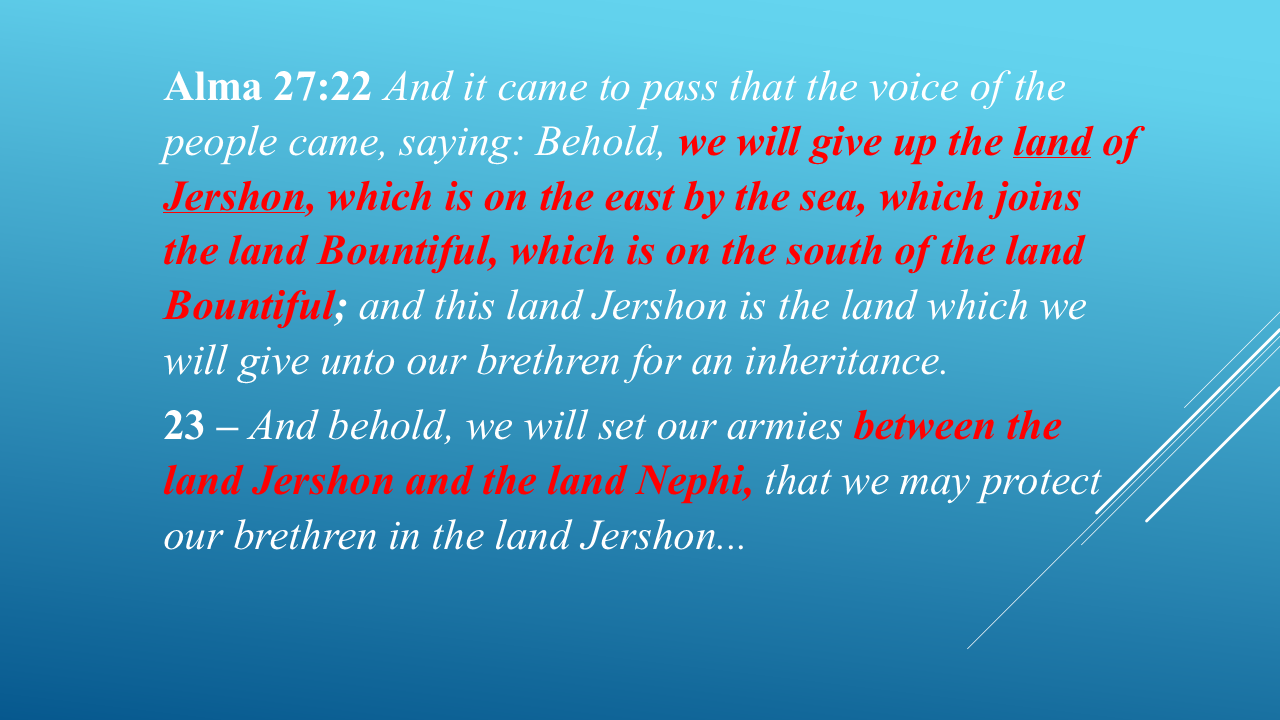
Let's examine that carefully.
Where is Jershon?
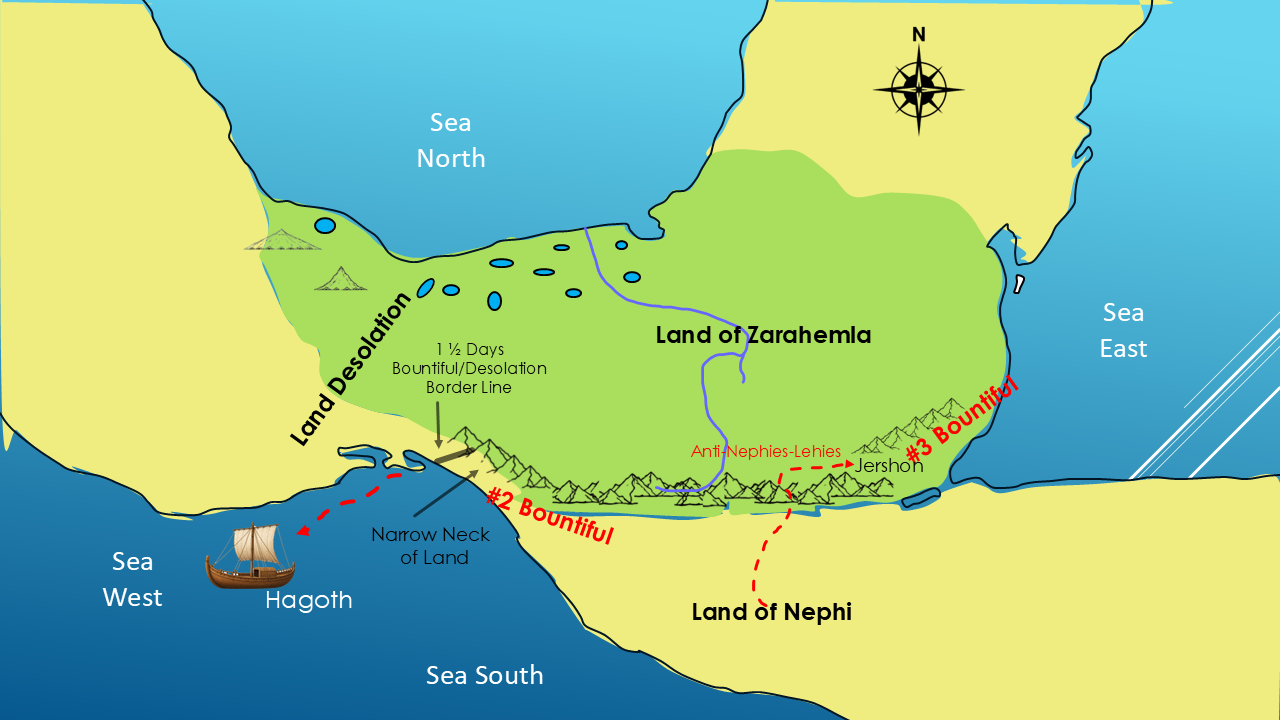
On the east by the sea.
What does Jershon join?
The land Bountiful.
And where is Bountiful relative to Jershon?
Bountiful is north of Jershon.
That's a directional relationship.
And now we have something very interesting.
The Book of Mormon has given us another Land Bountiful.
WHY THREE BOUNTIFULS?
Now you might be asking:
Why would Mormon use the same name in three different places?
And I think the text itself gives us an important clue.
“Bountiful” does not appear to be the name of one political kingdom.
It's a descriptive name.
In the Old World, Nephi explains why they called their location Bountiful.
It was a place of abundance.
And in the New World, Mormon uses the same descriptive name for fertile territory.
So perhaps the important question isn't:
“Which one is THE Land Bountiful?”
The better question is:
“Where does Mormon place each Land Bountiful?”
And that's something we can actually investigate.
PART 12 — PUTTING ALL THREE ON THE MAP
So let's review.
The 1st – OLD WORLD BOUNTIFUL, Southern Oman
The first is in the Old World.
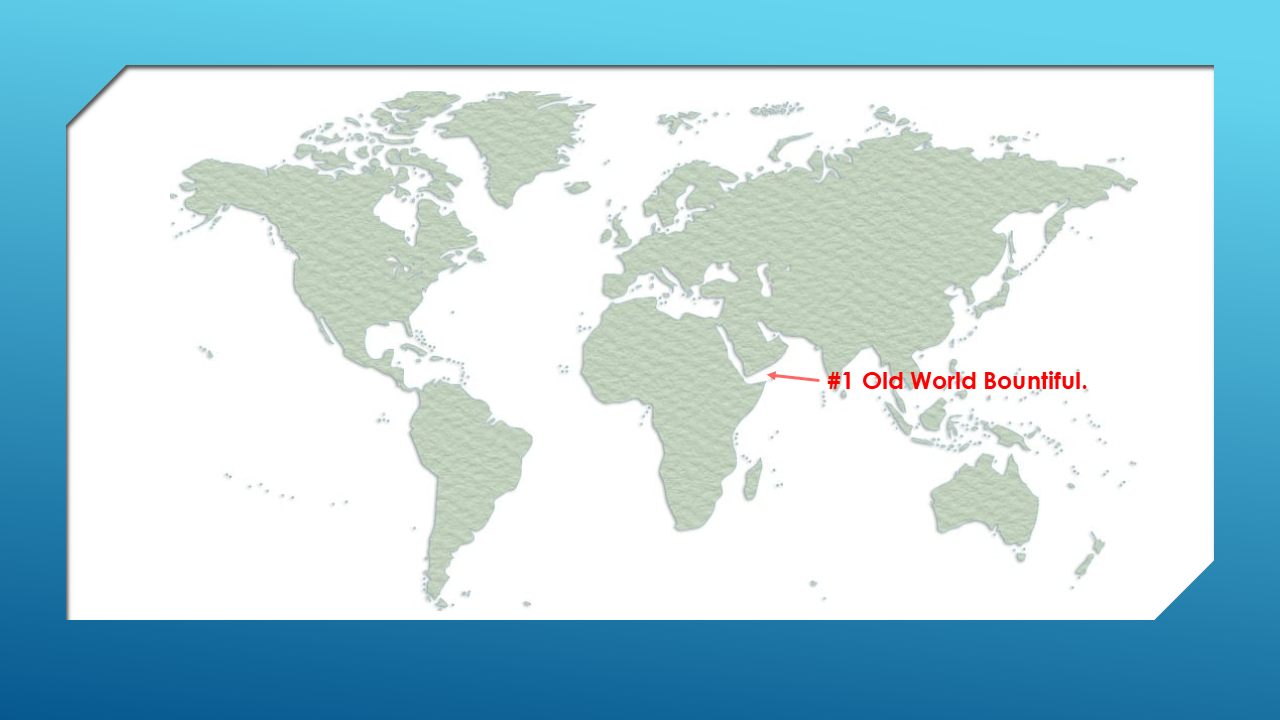
It is the place where Lehi's family stopped after traveling nearly eastward from Nahom, where Nephi built the ship.
A proposed location is Wadi Sayq/Khor Kharfot in southern Oman.
The 2nd – WESTERN BOUNTIFUL, West Sea/Desolation Border
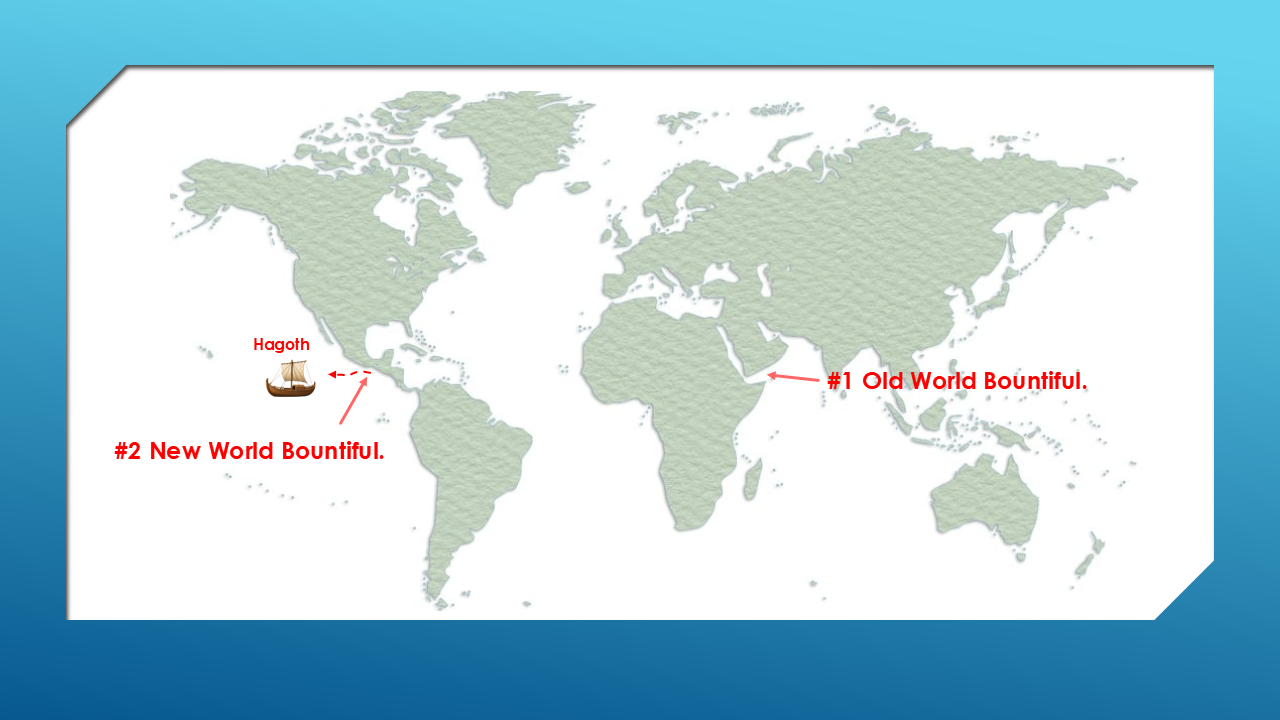
The second is in the New World, along the western side of the land southward.
Mormon tells us that Hagoth built his ship on the borders of Bountiful and Desolation and launched it into the west sea near the narrow neck.
The 3rd – EASTERN BOUNTIFUL, East Sea/North of Jershon
The third is also in the New World, but on the eastern side.
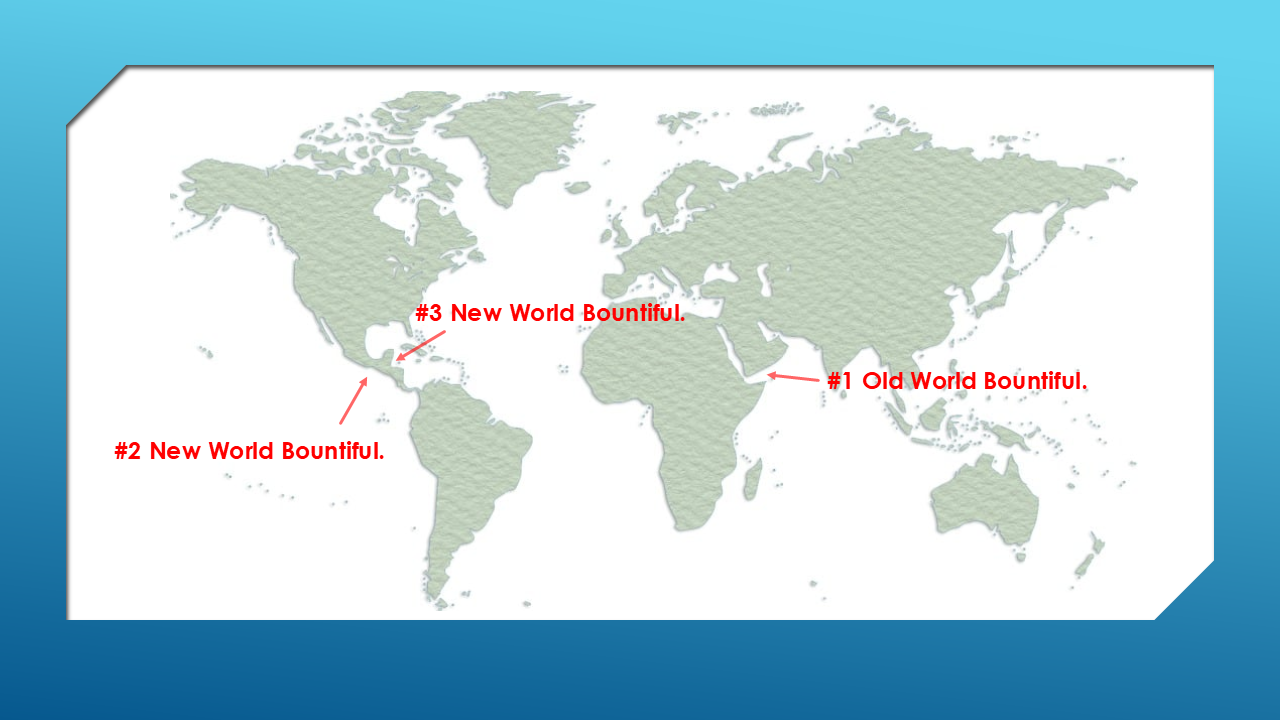
The land of Jershon is east by the sea and joins the land Bountiful, which is north of Jershon.
Three locations.
One descriptive name.
And the question we've been asking throughout this series remains:
Do the directions fit?
WHAT DOES THE EVIDENCE SHOW?
Now let's be careful about our conclusions.
Have we proven every detail of the Book of Mormon geography?
No.
There are still questions.
But we've found something worth investigating.
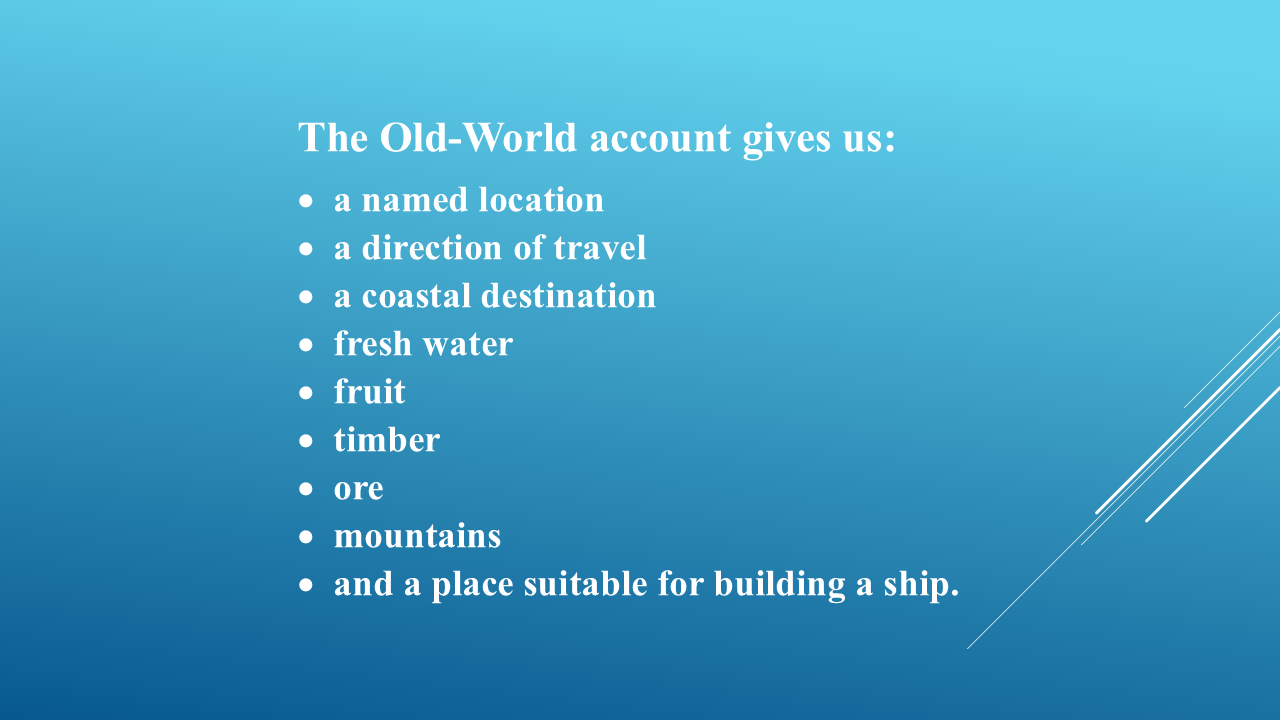
And when we place the proposed locations on a modern map, the geographical relationships are remarkably compatible with the descriptions in the text.
Then, when we move to the New World, Mormon gives us two additional Lands Bountiful—one associated with the west sea and the narrow neck, and another associated with the east sea and Jershon.
The names don't have to be forced into one location.
They fit as three different places.
And that is the interesting part.
THE INVESTIGATION CONTINUES
So what do you think?
We started this investigation with a simple question:
Three different places. One name.
Do the directions fit?
We started with ten clues. Now you've seen them all.
“So here's the question I want you to consider.”
“If these were pieces of circumstantial evidence in a court of law, would they be enough to convince a jury beyond a reasonable doubt?”
“That's for you to decide.”
“Don't just take my word for it. Look at the evidence. Look at the map. Check the directions.”
“And ask yourself…”
“If this were a court case, would the evidence be enough?”
“You be the jury.”
“Do the clues fit?”
The evidence doesn't ask us to stop investigating.
It invites us to investigate further.
And that's exactly what we're going to do in Part 9.
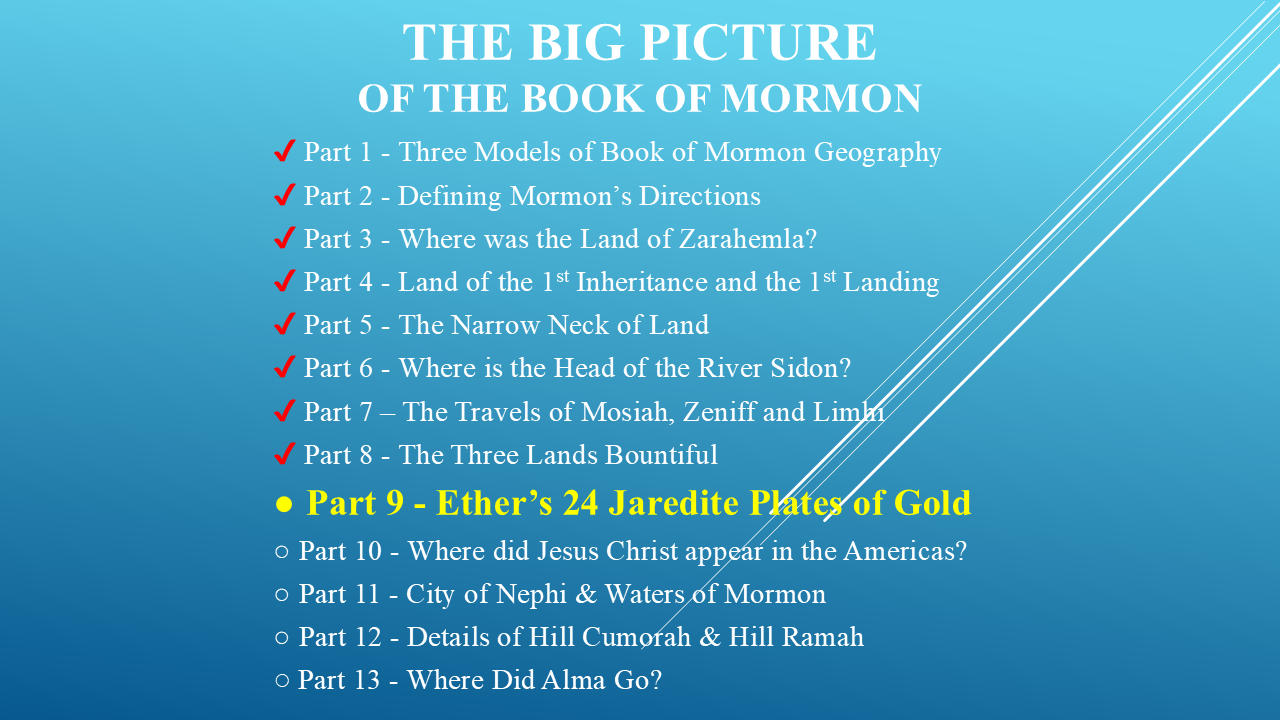
Because next we're going to follow one of the most intriguing records in the Book of Mormon:
The 24 Jaredite plates of gold.
Where did the Jaredites live?
Where did they travel?
And where did their final record end up?
That's our next investigation.
And after that, we're going to investigate another enormous question:
Where did Jesus Christ actually appear to the people in the Book of Mormon?
So, if you've been following this series, stay with me.
“And for those who have said, ‘If the Book of Mormon were true, it would name a real city’—let's consider what we've found.”
“We have a location.”
“We have an ancient name: NHM.”
“We have a people and a territory associated with that name.”
“We have evidence that the name was used in ancient times.”
“We have a pronunciation that can reasonably correspond to Nahom.”
“And we have the Book of Mormon telling us that Ishmael was buried in a place called Nahom.”
“Is that absolute proof?”
We're getting very close to putting the entire Big Picture together.
Thanks for joining me.
I'm Kendall, the Mormon Mann.
Have a great day, and I'll see you in Part 9.